
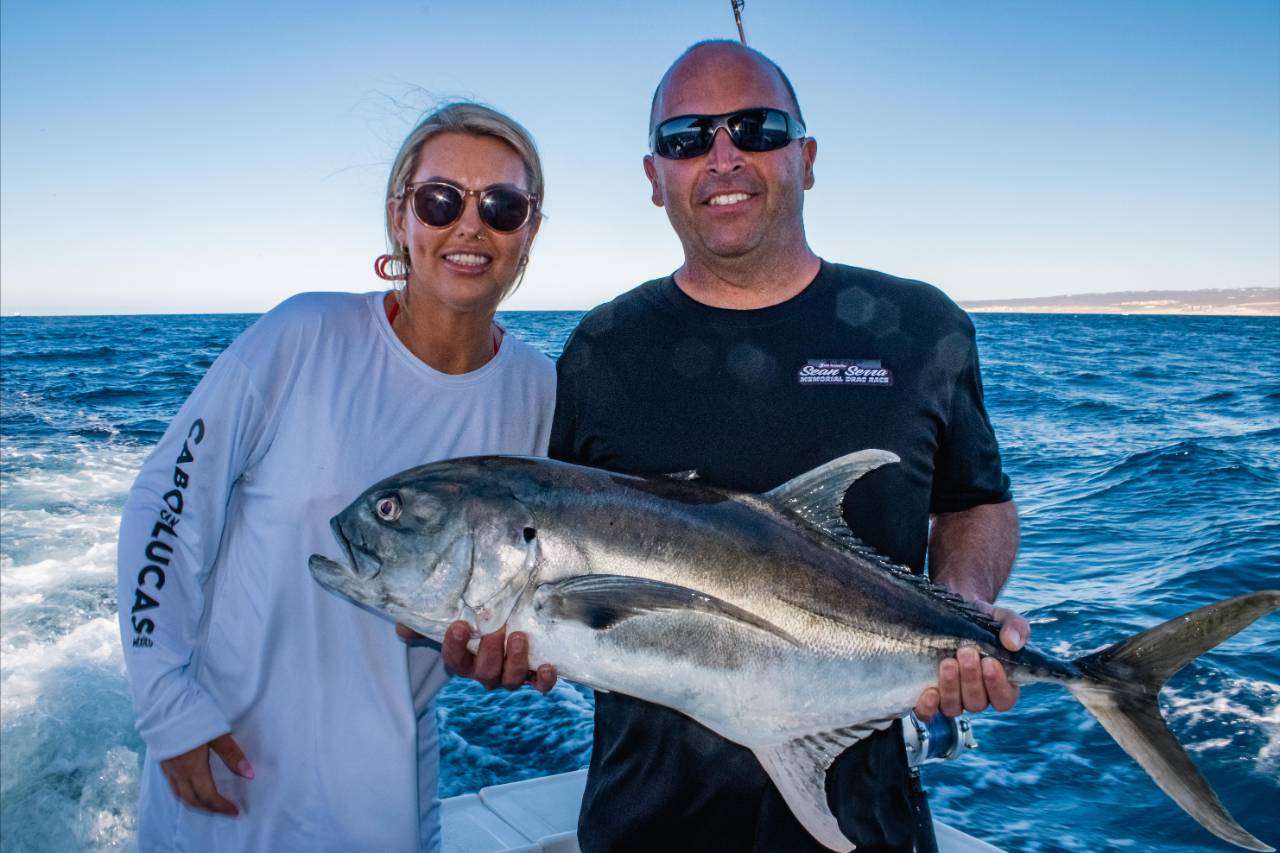
When planning a Cabo fishing charter in September, one of the most important decisions is whether to spend the day offshore pursuing larger pelagic game fish or stay inshore and target coastal species. The answer depends heavily on what you want to catch, how long you are booking the charter, your fishing experience, the weather conditions, and whether your priority is trophy potential or consistent action. For serious anglers whose primary goal is marlin, yellowfin tuna, dorado, or wahoo, I generally recommend offshore fishing in Cabo during September. The warm-water period can create excellent opportunities for these powerful species, and a longer private charter gives the captain more time to locate productive water and adjust the strategy. Inshore Cabo fishing, however, should not be overlooked. September can provide exciting opportunities for roosterfish, snapper, grouper, jack crevalle, and other coastal species, often with considerably less travel time. For families, beginners, shorter trips, or anglers who want lighter tackle and more active fishing, inshore fishing may actually be the better choice. There is no universal answer because offshore and inshore fishing are essentially two different fisheries with different targets, techniques, locations, and expectations. The best Cabo fishing charter is the one built around the fish you actually want to catch.
Is Offshore or Inshore Cabo Fishing Better for a September Charter?
If you ask me which option I would choose for a serious angler visiting Cabo San Lucas in September, I would normally choose offshore. September is an exciting time for the offshore fishery because warm water can put multiple pelagic species within reach, including marlin, tuna, dorado, and wahoo. An offshore Cabo fishing charter also gives anglers the opportunity to experience the type of big-game fishing that has made Cabo famous. That does not mean offshore is automatically better for everyone. If your family has only four hours available, you have young children aboard, or you specifically want roosterfish, snapper or grouper, an inshore trip may deliver a better overall experience. There is little reason to spend a large portion of a short fishing charter traveling offshore if your favorite target is holding close to the coastline.
The word “better” therefore needs to be connected to your objective. If trophy fish are the objective, offshore wins. If shorter travel and active coastal fishing are the objective, inshore can win.
Why Is September Offshore Fishing on a Cabo Charter So Attractive?
September is particularly appealing for offshore Cabo fishing because several highly desirable species can be available during the same general seasonal period. Anglers may encounter blue or black marlin, yellowfin tuna, dorado, and wahoo, depending on water conditions, bait, currents and fish location. Offshore fishing also allows the captain to cover a much larger area. Instead of concentrating exclusively on coastal structure, the crew can search banks, current edges, temperature changes, bait concentrations and offshore areas where pelagic predators may be feeding. This requires a different mindset from inshore fishing.
A good offshore charter is not simply a boat ride to one fishing spot. The captain is continually evaluating the ocean and deciding whether the current location is worth staying in or whether moving makes more sense.
That is particularly valuable in September because conditions can change quickly.
What Offshore Fish Can You Target on a September Cabo Fishing Charter?
- September offers a wide variety of offshore targets, making it an attractive month for anglers who do not want to limit themselves to one species.
- Marlin is one of the biggest attractions. Seeing a marlin appear in the trolling spread can be one of the most exciting moments of a Cabo fishing trip, even before the fish takes a lure.
- Yellowfin tuna provide a completely different experience. Tuna can be exceptionally strong, fast and demanding, particularly when larger fish are located.
- Dorado provide another opportunity. These colorful, aggressive fish can attack trolling lures and other presentations and are a favorite of anglers who want action as well as excellent table fare.
- Wahoo are among the fastest fish encountered around Cabo and require specialized approaches, including high-speed trolling and appropriate tackle.
- Depending on conditions, a private Cabo fishing charter can potentially encounter more than one of these species during the same trip.
Is Inshore Cabo Fishing Good During September?
Yes. Inshore fishing in Cabo can be very good during September, and it offers a completely different style of fishing from the offshore fishery. Instead of spending hours traveling to distant fishing grounds, the boat can concentrate on areas closer to shore. Rocky points, beaches, structure and other coastal habitat can hold a variety of species.
Potential targets include:
- Roosterfish
- Snapper
- Grouper
- Jack crevalle
- Other coastal game fish
Inshore fishing can be particularly attractive when the group wants to stay actively involved rather than waiting for a large offshore predator to appear. It can also be an excellent backup strategy when offshore conditions are not ideal.
A skilled captain does not necessarily need to choose between “fish” and “do not fish.” Sometimes the smarter decision is to change the location and target a different species.
Which Is Better for Roosterfish: Inshore or Offshore Cabo Fishing?
- For roosterfish, inshore is clearly the better choice.
- Roosterfish are a coastal game fish, and anglers typically target them around beaches, rocky shoreline and other nearshore habitat. They can provide spectacular strikes and powerful runs, especially when targeted with suitable tackle.
- A guest who specifically wants a roosterfish should tell the charter company before the trip.
- There is an important distinction between saying, “I want to catch anything,” and saying, “My dream is a roosterfish.”
- The first allows the captain maximum flexibility.
- The second allows the captain to build the fishing plan around a particular fish.
- A private Cabo fishing charter is at its best when the crew understands exactly what the guests want.
Where Does Snapper and Grouper Fishing Fit into a September Cabo Charter?
- Snapper and grouper fishing are also strong reasons to consider an inshore or structure-oriented trip.
- These species can be targeted around rocky areas and underwater structure using appropriate bait, rigs and tackle. They can provide a very different experience from trolling offshore for marlin.
- For guests interested in keeping legal fish for dinner, the captain should always be consulted regarding current regulations, legal sizes, seasons and retention limits.
- This type of fishing can be particularly enjoyable for families because anglers can often stay engaged with the tackle rather than spending long periods traveling.
- If the primary goal is putting some fish in the cooler rather than pursuing a trophy billfish, an inshore charter can make a great deal of sense.
Is Offshore Cabo Fishing Better for Trophy Fish in September?
Yes:
- If by “better” you mean greater trophy-fish potential, offshore fishing is the obvious choice.
- The offshore fishery gives you access to species that can reach extraordinary sizes and provide extremely demanding fights.
- Marlin and yellowfin tuna are the primary examples.
- A trophy-focused Cabo fishing charter should generally be longer because travel time becomes a significant factor. The farther you are willing to travel, the more fishing grounds become available to the captain.
- An eight-hour private trip can therefore provide considerably more strategic flexibility than a four-hour trip.
- That does not guarantee a trophy.
- It simply gives the captain more opportunity to find one.
Can Dorado Make an Offshore Cabo Fishing Charter More Flexible in September?
Absolutely:
- Dorado are one of the most useful species to have available during a September Cabo fishing charter because they can provide exciting action when the crew encounters the right conditions.
- Dorado may be associated with floating debris, weed lines, current seams and concentrations of bait. Their aggressive nature makes them a favorite for anglers who want a visual and fast-paced fishing experience.
- They can also complement an offshore marlin or tuna program.
- For example, if the marlin bite is slow but the crew encounters active dorado, the captain can discuss whether the group wants to take advantage of the opportunity.
- That is one of the biggest benefits of a private Cabo fishing charter.
- The day does not have to follow a rigid script.
Is Wahoo Fishing Better Offshore or Inshore in Cabo in September?
- For anglers specifically targeting wahoo, offshore is generally the better strategy.
- Wahoo are extremely fast predators and often require specialized tackle and techniques. High-speed trolling can be an important part of the approach, and lure selection matters.
- If wahoo is your priority, tell the crew before departure.
- That allows the captain to prepare the appropriate equipment rather than assuming the trip will be a standard mixed-species trolling trip.
- September can be an exciting period for wahoo, but the fish remain unpredictable. Water clarity, current, bait and location all influence the opportunity.
- A good Cabo fishing charter prepares for the target while remaining willing to adapt.
Should Beginners Choose Inshore or Offshore Cabo Fishing in September?
- For a beginner, I often recommend inshore fishing unless there is a specific desire to experience offshore big-game fishing.
- Inshore fishing can provide less travel and a more manageable introduction to the fundamentals of fishing. Depending on the target, tackle can also be lighter and easier for a new angler to handle.
- Offshore fishing can be more demanding.
- Heavy rods, large reels, long battles and larger fish require more physical effort.
- That said, beginners can absolutely fish offshore with an experienced crew. If someone’s dream is to catch a marlin, I would rather explain the experience honestly and let them decide than automatically steer them toward inshore fishing.
Is Inshore Cabo Fishing Better for Families in September?
- For many families, yes.
- Inshore Cabo fishing can be a great option because less time may be spent traveling and more of the charter can be dedicated to actively fishing.
- Children may also find coastal species more manageable than a large offshore tuna or marlin.
- A family can potentially target roosterfish, snapper, grouper and other species depending on the conditions and the captain’s recommendations.
- However, if the family has older children or experienced anglers who specifically want marlin, offshore may create a more memorable experience.
- The correct decision depends on the group’s priorities.
Does Charter Length Change the Offshore vs Inshore Cabo Fishing Decision?
- Very significantly.
- For a four-hour Cabo fishing charter, inshore fishing can make tremendous sense because the boat spends less time traveling and more time fishing.
- For a six-hour trip, either option can work depending on the target.
- For an eight-hour offshore trip, the equation changes because the boat has enough time to travel farther and still spend substantial time fishing.
- This is why I always recommend discussing the target species before choosing the fishing area.
- A short trip and a long trip should not necessarily follow the same strategy.
What Are the Advantages of Offshore Cabo Fishing in September?
Offshore fishing offers the greatest opportunity for anglers interested in big-game species.
The primary advantages include:
- Marlin opportunities
- Yellowfin tuna opportunities
- Dorado opportunities
- Wahoo opportunities
- Greater trophy potential
- Access to offshore banks and fishing grounds
- Possibility of encountering multiple pelagic species
- A true big-game Cabo sportfishing experience
For serious anglers, these advantages make offshore the first choice during September.
What Are the Advantages of Inshore Cabo Fishing in September?
Inshore fishing has its own advantages and should not be considered a lesser version of offshore fishing.
The benefits include:
- Less travel time
- Excellent option for shorter charters
- Roosterfish opportunities
- Snapper opportunities
- Grouper opportunities
- Potentially lighter tackle
- Excellent family option
- Good introduction for beginners
- Ability to change locations quickly
For the right angler, those advantages can be more important than trophy potential.
Does September Weather Affect Offshore Cabo Fishing More Than Inshore Fishing?
- September falls during the period when tropical weather needs to be monitored carefully. Conditions can vary considerably from one day to another.
- Offshore fishing is more exposed to wind and swell because the boat travels farther from shore. If conditions become unfavorable, the captain may need to change the plan.
- This is another reason flexibility is important.
- A responsible captain will never prioritize a particular fish over passenger safety.
- If offshore conditions are not appropriate, moving to a more protected area and targeting coastal species may be the smarter decision.
- The ocean always gets the final vote.
Can You Start Inshore and Move Offshore on a Cabo Fishing Charter?
- Sometimes, yes.
- A longer private Cabo fishing charter can potentially provide enough time to fish inshore first and then move offshore, or begin offshore and finish closer to shore.
- However, there is an important trade-off.
- Every move takes time.
- If the boat spends an hour traveling between fisheries, that is an hour that is not being spent actively fishing.
- Therefore, I would not recommend trying to target everything simply because it sounds appealing.
- Choose your primary objective first.
- If the group wants a trophy marlin, stay focused on the offshore program.
- If the group wants variety, a mixed strategy may make sense.
Can You Change from Offshore to Inshore Fishing During September?
- Yes, provided the remaining charter time and conditions make the change practical.
- This can be particularly useful when conditions shift.
- For example, perhaps the group originally planned to target tuna offshore but the captain determines that the offshore conditions are deteriorating. If inshore fishing offers a better opportunity, the captain can discuss the alternative.
- The opposite can also happen.
- A group might begin inshore, catch several roosterfish or snapper, and then decide they want to spend the remaining time pursuing offshore species.
- The captain’s knowledge becomes extremely valuable in those situations.
Which Is Better for a Four-Hour Cabo Fishing Charter in September?
- For four hours, I would usually lean toward inshore fishing unless the guests have a very specific reason to make the offshore trip.
- Travel time becomes a much larger percentage of the charter on shorter trips.
- If the goal is to catch roosterfish, snapper, grouper or other coastal fish, staying closer to shore can maximize actual fishing time.
- If the guest says, “I only have four hours but I absolutely want to try for marlin,” the conversation changes.
- The guest needs to understand that offshore travel may consume a meaningful part of the available charter.
- Honest expectations are important.
Which Is Better for a Six-Hour Cabo Fishing Charter in September?
- Six hours gives you more flexibility.
- An offshore fishing charter can make sense for anglers targeting marlin, tuna, dorado or wahoo, especially if the captain believes the conditions justify the travel.
- Inshore fishing can also be excellent during six hours, particularly for families and guests interested in multiple coastal species.
- I would base the decision on the fish rather than the clock.
Which Is Better for an Eight-Hour Cabo Fishing Charter in September?
- For an eight-hour private Cabo fishing charter, I would strongly consider offshore if trophy fishing is the objective.
- Eight hours provides enough time to travel, fish, relocate and adapt.
- That additional time becomes especially valuable when targeting marlin and tuna.
- An eight-hour inshore trip can still be outstanding, particularly if the group wants variety or prefers a lighter-tackle experience.
- But if someone asks me where I would spend eight hours because they want the biggest possible fish, I would send them offshore.
Offshore vs Inshore September Cabo Fishing Charter Comparison
| Fishing Factor | Offshore Cabo Charter | Inshore Cabo Charter |
| Marlin | Excellent choice | Not the primary fishery |
| Yellowfin tuna | Excellent choice | Not the primary fishery |
| Dorado | Excellent | Possible depending on conditions |
| Wahoo | Excellent | Not the primary target |
| Roosterfish | Not the primary target | Excellent |
| Snapper | Not the primary target | Excellent |
| Grouper | Not the primary target | Excellent |
| Trophy potential | Highest | Moderate |
| Travel time | Longer | Shorter |
| Four-hour charter | Less efficient | Excellent option |
| Six-hour charter | Very good | Very good |
| Eight-hour charter | Excellent for trophy fishing | Excellent for variety |
| Beginners | More demanding | Very good |
| Families | Good | Excellent |
| Light tackle | Less common | Excellent option |
| September variety | Exceptional | Very good |
What Should You Tell Your Cabo Fishing Charter Captain Before September?
The most helpful thing you can do before boarding is tell the captain exactly what matters most to you. Do not simply say, “We want to catch fish.”
Instead, explain whether your priorities are:
- Marlin
- Yellowfin tuna
- Dorado
- Wahoo
- Roosterfish
- Snapper
- Grouper
- A trophy fish
- Fish for dinner
- Maximum action
- A family-friendly experience
- A combination of species
That information allows the captain to build a more appropriate strategy. A private Cabo fishing charter works best when the crew understands the guests’ expectations before the lines go into the water.
What Does Blue Sky Cabo Recommend for Offshore and Inshore Fishing in September?
At Blue Sky Cabo Fishing Charter and Tours, I would generally recommend offshore fishing during September when the guest’s primary goal is marlin, yellowfin tuna, dorado or wahoo.
- For trophy-focused anglers, a longer offshore charter is the strongest choice.
- For families, beginners, shorter trips or guests specifically interested in roosterfish, snapper or grouper inshore fishing can be an excellent alternative.
- The advantage of a private charter is that the trip can be discussed around your actual goals rather than forcing every guest into one standard fishing program.
- The captain can evaluate the ocean, weather, bait, currents and recent activity and then determine the most sensible approach.
What Is the Best Cabo Fishing Charter Strategy for September?
- There is no universal winner.
- If you want marlin or tuna, choose offshore.
- If you want roosterfish, snapper or grouper, choose inshore.
- If you want dorado or wahoo, offshore is generally the stronger starting point.
- If you want the biggest possible trophy and have the time, choose a longer offshore Cabo fishing charter.
- If you have only four hours and want to maximize active fishing time, inshore may be the better choice.
- September is particularly interesting because both fisheries can offer worthwhile opportunities, but they are fundamentally different experiences.
- Offshore fishing is about covering water and pursuing powerful pelagic predators.
- Inshore fishing is about staying closer to shore, working coastal areas and targeting species that live around structure and beaches.
- The most important thing is not choosing what sounds most impressive.
- It is choosing the fishery that matches your goals.
- If I were visiting Cabo San Lucas in September with one day dedicated to serious sportfishing and my dream was a marlin or trophy tuna, I would choose a long offshore trip.
- If I were traveling with a family that wanted action, variety and a less demanding day, I would seriously consider an inshore trip.
That is what makes a private Cabo fishing charter valuable: the day can be built around the people aboard and the fish they actually want to catch.
Blue Sky Cabo Fishing Charter and Tours
Cell: +1.480.635.2965
YouTube Shorts: Blue Sky Cabo Shorts
Dock: F Dock, Centro, Marina, 23450 Cabo San Lucas, B.C.S., Mexico
