
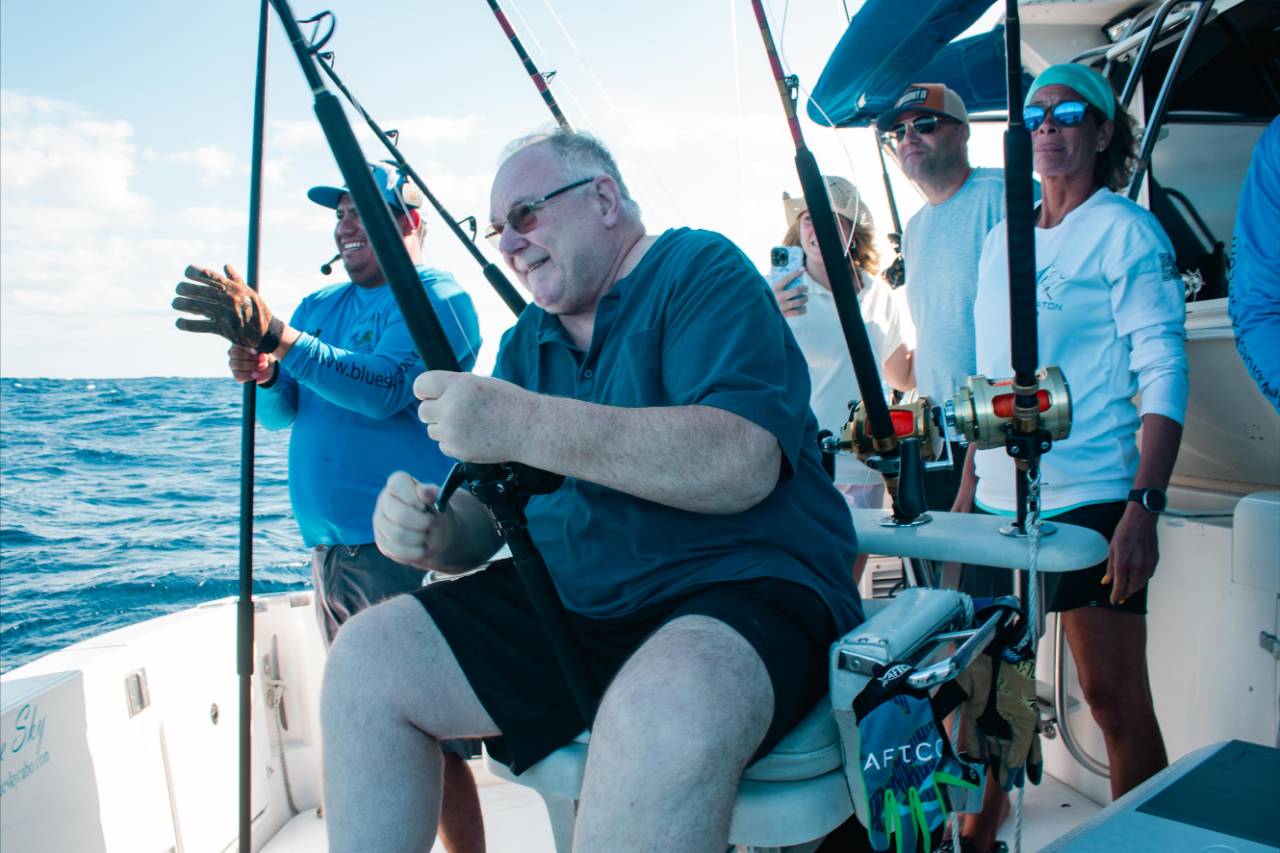
Yes, you absolutely can catch multiple species in one July fishing trip in Cabo, and that is one of the biggest reasons the summer season is so popular. July often brings a strong mix of offshore and nearshore opportunities, so a single charter can produce marlin, tuna, dorado, wahoo, and sometimes even inshore species depending on where the captain decides to fish.
Why Cabo Fishing in July Creates a Mixed Species Opportunity
The reason Cabo fishing in July can produce multiple species is that the water is warm, the bait is active, and different fish are moving through different parts of the offshore and nearshore zone. That combination creates a layered fishery instead of a single-species day.
For anglers, that means the boat is not locked into one target. A charter captain can start the morning looking for billfish, shift toward tuna if the conditions look better, and still keep an eye out for dorado or other summer species along the way. That flexibility is what makes Cabo such an exciting summer destination.
Another reason July works so well is that the fishery tends to feel alive across several levels of the water column. Some fish are feeding higher, some are holding deeper, and some are moving with bait schools or structure. When the summer pattern is strong, the crew has more than one path to success.
How Cabo Fishing Charter Crews Build a Multi-Species Day
A good Cabo fishing charter does not just chase one fish and hope for the best. The captain plans the day around the conditions, then uses experience to move between zones if one species is not cooperating. That is how one trip can turn into several different chances. The best crews read water temperature, bird activity, bait marks, current lines, and surface movement. If marlin are showing, the captain may stay on that pattern. If tuna are popping up nearby, the boat can shift. If floating debris or color changes suggest dorado, the crew can pivot again.
This is one of the main reasons anglers book Cabo San Lucas in July instead of somewhere more predictable but less dynamic. The charter model here is built around adaptability, which is exactly what you need if your goal is to catch multiple species in one day.
Why July Weather Helps Cabo Fishing Variety
July weather in Cabo plays a big role in creating mixed-species days. Warm water helps bring in summer predators, while the heat encourages early starts that give the captain a better chance to work several patterns before the day gets too hot.
That matters because different species often feed at different times or in slightly different locations. A charter that leaves early can catch the morning marlin window, then move to tuna grounds later, and still have enough time left for dorado or another bonus target. The weather also changes how the boat fishes. Sun, glare, and summer conditions can influence where bait gathers, which in turn affects where predators are likely to show up. In other words, the July environment supports variety, and variety is what makes multiple species possible.
What Species You Can Expect on a Cabo Fishing Trip in July
A single Cabo fishing trip in July can reasonably produce marlin, tuna, dorado, wahoo, and sometimes nearshore action depending on the exact route. Not every trip will hit all of them, but the month gives you a real chance at a broad mix.
Blue marlin and striped marlin are the headline offshore species. Yellowfin tuna are one of the best all-around action fish. Dorado can add excitement and variety, especially when floating objects or temperature edges are holding bait. Wahoo can surprise you if the conditions line up.
Inshore species can also show up depending on the route and captain strategy, though most July mixed-bag trips lean heavily toward offshore fishing. That is part of the appeal: the day can turn from one species to another without warning.
How a Cabo Fishing Charter Decides Which Species to Chase First
The first target on a Cabo fishing charter usually depends on season, water conditions, and the captain’s confidence in the area. In July, many crews begin by looking for marlin because the summer pattern is strong and billfish are one of the most sought-after catches. If marlin are active, the crew may stay with that pattern and work the area longer. But if signs point toward tuna or dorado, the captain can switch quickly. The key is not being stubborn. Multi-species success depends on following the fish, not forcing a plan that no longer fits the conditions.
That is why local experience matters so much. Blue Sky Cabo captains knows which species are most likely to be feeding in the current setup, and that knowledge helps create a more productive day.
Why Cabo Fishing in July Is Better for Mixed-Bag Trips Than Some Other Months
July is one of the best months for mixed-bag Cabo fishing because the summer pattern is wide open. The water is warm enough to attract offshore predators, but the bite is not usually locked into just one species. That makes it easier to build a day around opportunity rather than certainty. If one fish slows down, another may take its place. That is exactly the kind of environment where a charter can produce a strong variety of catches.
In some other months, the season can feel more narrow. July is not narrow. It is active, layered, and flexible. That is what gives anglers the chance to catch more than one species on the same trip.
How Long a Cabo Fishing Charter Should Be for Multiple Species
If you want multiple species on one Cabo fishing trip, you usually want a full-day charter. A shorter trip can still be productive, but the more species you want to target, the more time you need to search and adapt. An 8-hour trip is often the best balance for variety. It gives the captain enough room to move between zones, fish different patterns, and react if one species is not biting. If you are trying for a true mixed-bag day, those extra hours matter.
A 4-hour or 6-hour trip may still produce fish, but it usually narrows the odds. July is a month where the fishery can support more variety, so booking enough time is one of the smartest moves you can make.
What a Multi-Species Cabo Fishing Day Can Look Like
A mixed-day Cabo fishing trip in July often starts with an early offshore run for marlin or tuna. The boat may troll for billfish first, then shift if bird activity or bait changes suggest tuna are nearby. Later, the captain may look for dorado around floating structure or current breaks. That sequence is common because it uses the best hours of the day for the most likely species. The crew is not trying to force one outcome. Instead, they are stacking chances as the day develops.
This style of fishing keeps the trip exciting. Even if one target goes quiet, the next species may still be in play. That is why summer charter trips in Cabo feel so dynamic compared with more limited fisheries.
Why Cabo Fishing Charter Experience Matters So Much
Blue Sky Cabo fishing and tours can make the difference between a single-species day and a mixed-bag success. The captain’s knowledge of where fish are moving, how they are feeding, and what the water is doing determines how many different opportunities the boat gets. Experienced crews know when to stay put and when to move. They understand the summer patterns well enough to read whether the day is trending toward marlin, tuna, or something else. That kind of judgment is what gives anglers the best shot at multiple catches.
It is also why charter quality matters so much in July. The fishery is active, but not random. A good crew can turn that activity into a well-managed day with more than one species in the mix.
How Weather and Heat Affect the Multi-Species Strategy
The July heat in Cabo shapes how a charter approaches a multiple-species day. The crew usually leaves very early so the best fishing happens before the sun gets too intense. That early window is often when marlin and tuna are more likely to be active. As the day heats up, the captain may shift strategy and look for species that are holding in different water or around structure. That gives the trip a second phase and helps keep the day productive instead of fading out after the morning bite.
Weather is not just a comfort issue. It is part of the strategy. The more the crew understands how heat and water movement affect the fish, the better chance you have of catching more than one species in the same outing.
What Skills Help Anglers Catch Multiple Species in Cabo
You do not need to be an expert to catch multiple species in Cabo, but being flexible helps a lot. If the captain says the boat is moving, you move. If the crew tells you a certain rig or presentation is working better, follow their lead. Patience is another valuable skill. A mixed-species day is often a sequence of opportunities, not one continuous bite. Anglers who stay focused and ready usually do better than those who expect instant action every hour.
Being open to whatever species are active also helps. If the marlin do not bite first but tuna do, that is still a successful trip. The more willing you are to enjoy the whole fishery, the more satisfying the day becomes.
How Cabo Fishing Charter Strategy Changes When the Bite Is Mixed
When the bite is mixed, a Cabo fishing charter has to think more like a hunter than a specialist. The boat may start with one target species but quickly adjust if conditions point to a better opportunity elsewhere. That could mean changing trolling speed, shifting to a different zone, or spending more time on birds, bait, or current edges. The captain’s job is to keep the boat in the best possible position for whichever species are active.
This kind of strategy is one reason Cabo stands out in July. The fishery is broad enough that smart crews can work several angles in a single day without wasting time.
Which Species Are Most Likely to Mix on a Cabo Fishing Trip
In a typical July Cabo fishing trip, marlin and tuna are often the most likely combination. They are both strong summer species and can be present in the same general offshore environment. Dorado often enter the picture as a bonus species, especially when floating debris or current breaks are involved. Wahoo are less predictable but can still be part of the story if the conditions line up. Nearshore species are possible too, though they are usually a secondary goal if the trip is focused on offshore summer action.
That is what makes the month so appealing. The fishery is flexible enough that several different outcomes are realistic, and that gives the crew multiple ways to build a good day.
Why Some Cabo Fishing Days Produce More Species Than Others
Not every Cabo fishing day in July will produce the same variety because conditions change. Water temperature, bait concentrations, wind, current, and fish movement all affect how many species are active in the same area. Some days the marlin are hot and the tuna are quiet. Other days the tuna are feeding and the marlin are more scattered. On the best days, the boat can move through enough productive water to connect with several species in one outing.
That is why flexibility matters so much. A charter crew that stays observant and adapts quickly usually gets more out of the day than a boat that commits too early to one pattern.
How to Book a Cabo Fishing Charter for a Mixed-Bag Day
If your goal is multiple species, tell the Cabo fishing charter that upfront. The captain can then structure the day with variety in mind instead of focusing only on one target species. That may mean booking enough hours, leaving early, and being open to changes in route. It also means choosing a crew with experience in offshore summer fishing, because those captains are usually better at adjusting to the flow of the day.
A mixed-bag day is more likely when the trip is built for flexibility from the start. The more the charter understands your goal, the easier it is to create a plan that can produce several species instead of just one.
What Multiple Species Success Looks Like in Cabo
Success on a July Cabo fishing trip does not always mean a pile of fish. Sometimes it means landing a marlin, catching tuna, and adding a dorado or two along the way. That kind of day is exactly what many anglers travel for. A true mixed-bag trip feels exciting because it shows the strength of the summer fishery. You are not locked into a single catch. Instead, the boat is moving through an active ecosystem where several possibilities can happen in one outing.
That variety is part of what makes Cabo San Lucas famous. The fishery gives the crew options, and good planning turns those options into real catches
Can You Catch Multiple Species in One July Fishing Trip in Cabo?
Yes, you absolutely can catch multiple species on one July fishing trip in Cabo, and that is one of the best reasons to fish there in summer. The warm water, active bait, and adaptable charter structure all create a real chance at a mixed-bag day.
The most common combination is marlin and tuna, with dorado often adding extra variety. If the conditions are right and the captain makes smart moves, even more species can join the list. July is not a guarantee, but it is one of the best months for turning one trip into several different catch opportunities. Book with Blue Sky Cabo today!
