
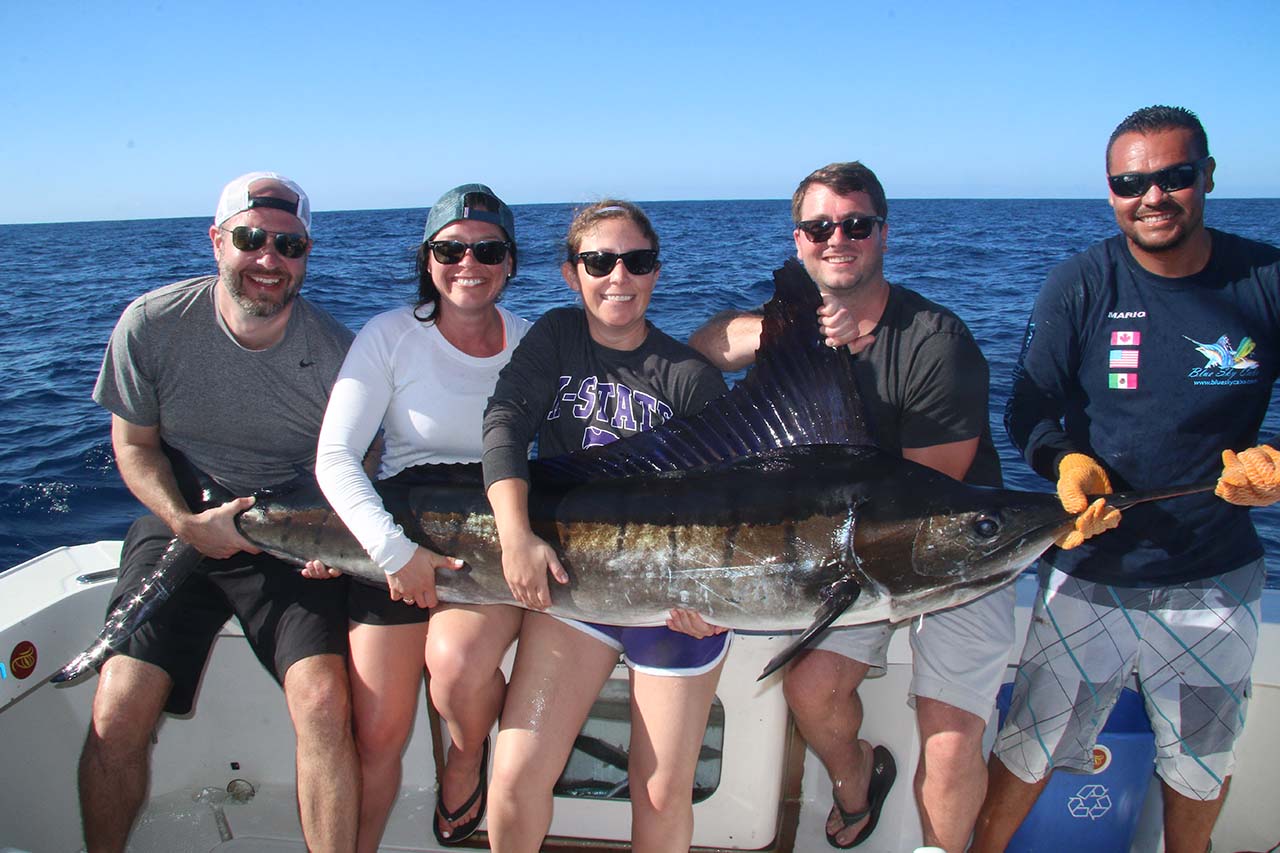
Few places in the world are as closely associated with marlin fishing as Cabo San Lucas. Every year, anglers travel from across North America, Europe, Australia, and South America hoping to experience one of the most exciting offshore fisheries on the planet. The dramatic jumps, screaming reels, electric-blue colors, and unforgettable battles have made marlin the undisputed kings of Cabo’s offshore waters.
Before booking a fishing trip, many anglers ask a simple but important question: what type of marlin are in Cabo? The answer is one of the biggest reasons Cabo has earned worldwide recognition. Unlike many destinations that are known primarily for a single marlin species, Cabo offers opportunities to encounter striped marlin, blue marlin, and black marlin. Each species brings unique characteristics, different seasonal patterns, and varying levels of challenge. Together, they create one of the most complete billfishing destinations found anywhere in the world.
The ability to target multiple marlin species during different periods of the year is one reason Cabo remains at the top of countless fishing bucket lists. Understanding each species helps anglers appreciate why Cabo has become synonymous with world-class marlin fishing.
Why Understanding What Type of Marlin are in Cabo? Starts With Cabo’s Unique Location
The first reason Cabo supports multiple marlin species is geography.
Located where the Pacific Ocean meets the Sea of Cortez, Cabo sits at the crossroads of two highly productive marine ecosystems. This location creates a constant flow of nutrients, baitfish, and favorable water temperatures that attract pelagic predators throughout the year.
Deep water begins remarkably close to shore.
Unlike destinations requiring lengthy offshore runs, Cabo’s dramatic underwater drop-off allows marlin to access productive feeding zones close to land. Bait concentrations gather around offshore banks, current lines, and temperature breaks, creating ideal hunting conditions.
Several famous offshore areas contribute to this success:
- Golden Gate Bank
- Gordo Banks
- San Jaime Bank
- The 95 Spot
- The 1150
These locations support healthy populations of baitfish, which in turn support healthy populations of marlin. Without this combination of geography and food availability, Cabo would not enjoy its current reputation.
Why Striped Marlin are the Most Common Type of Marlin in Cabo
When anglers ask what type of marlin are in Cabo?, striped marlin are usually the first answer. Striped marlin dominate the Cabo fishery for much of the year and are responsible for a large portion of the region’s worldwide reputation. Many anglers who catch their first marlin in Cabo do so while targeting striped marlin. These fish are perfectly suited for sportfishing. They are aggressive feeders, visually spectacular, and highly acrobatic once hooked. A striped marlin frequently launches into a series of jumps that leave anglers breathless. Most striped marlin encountered around Cabo weigh between 80 and 180 pounds, although larger fish certainly occur. What makes them especially appealing is consistency.
Unlike many trophy species that can be difficult to locate, striped marlin often provide realistic opportunities for anglers of all experience levels. This accessibility helps explain why so many visitors become lifelong marlin enthusiasts after fishing Cabo.
How Striped Marlin Built Cabo’s International Reputation
Long before social media and YouTube fishing videos, Cabo was already famous for striped marlin. Professional anglers, tournament competitors, and recreational fishermen spread stories about incredible striped marlin action throughout the sportfishing world.
The fishery developed a reputation for producing:
- Multiple daily encounters
- Excellent catch-and-release opportunities
- Consistent action
- Accessible offshore fishing
Those qualities remain true today. Even as blue marlin and other species attract increasing attention, striped marlin continue serving as the foundation of Cabo’s billfishing identity. Their presence throughout much of the calendar year remains one of the strongest arguments supporting Cabo’s status as a premier marlin destination.
Why Blue Marlin are an Important Type of Marlin Found in Cabo
While striped marlin provide consistency, blue marlin provide dreams. Many offshore anglers consider blue marlin the ultimate trophy fish. Larger, stronger, and more powerful than striped marlin, blue marlin possess a reputation for testing both equipment and anglers. Their sheer size makes every encounter memorable. Blue marlin become increasingly common during warmer periods when water temperatures rise and offshore conditions become favorable. Many fish encountered around Cabo weigh between 200 and 500 pounds. However, significantly larger fish are possible.
Blue marlin exceeding 700 pounds are caught regularly, while fish approaching 1,000 pounds remain realistic possibilities. The chance of encountering a true giant contributes significantly to Cabo’s worldwide appeal.
How Seasonal Changes Affect What Type of Marlin are in Cabo?
Seasonality plays an important role in determining which marlin species are most active. Although marlin are present throughout the year, certain periods strongly favor specific species. Winter and spring often produce the strongest striped marlin fishing. Summer and fall generally create better opportunities for blue marlin. These seasonal shifts are largely influenced by water temperature, bait movement, and offshore current patterns. Understanding these cycles helps anglers align their expectations with current conditions.
Many experienced captains monitor water temperatures carefully because even small changes can influence marlin distribution. The result is a constantly evolving fishery that remains productive year-round.
Why Black Marlin are Also Part of the Cabo Marlin Story
Black marlin receive less attention than striped marlin and blue marlin, but they remain an exciting part of Cabo’s offshore ecosystem. Although encountered less frequently, black marlin are periodically caught throughout the region. These fish are famous for their strength. Many anglers consider black marlin among the most powerful billfish in existence. Their broad shoulders and incredible endurance make them formidable opponents. Because black marlin are less common, every encounter feels special.
Landing one often becomes the highlight of an angler’s fishing career. Their presence further strengthens Cabo’s claim as one of the world’s most diverse marlin fisheries.
Why Multiple Marlin Species Make Cabo Different from Other Destinations
Many famous billfishing destinations are built around a single species. Some focus almost exclusively on blue marlin. Others rely heavily on striped marlin. Cabo offers something different. The ability to pursue multiple marlin species throughout the year creates variety that few destinations can match.
Anglers may encounter:
Sometimes within relatively short periods. This diversity creates excitement because every marlin encounter feels slightly different. Each species presents unique challenges and rewards.
How Offshore Banks Influence What Type of Marlin are in Cabo?
Marlin are highly mobile predators. Their movement often revolves around bait concentrations and productive structure. Cabo’s offshore banks serve as gathering points where bait accumulates and predators hunt. Golden Gate Bank, Gordo Banks, and the 1150 frequently attract marlin because they provide consistent feeding opportunities. These areas become especially important during seasonal transitions when fish relocate in response to changing conditions. Captains regularly monitor these zones because they often reveal where marlin activity is strongest.
The relationship between structure and bait remains one of the keys to successful marlin fishing.
Why Blue Sky Cabo Fishing and Tours Specializes in Multiple Marlin Species
One reason Blue Sky Cabo Fishing and Tours has become so popular among billfishing enthusiasts is versatility. The company does not focus exclusively on one marlin species. Instead, crews adapt strategies based on current conditions and target whichever marlin species are most active. This flexibility allows guests to enjoy productive fishing throughout the year.
The captains monitor:
- Water temperatures
- Bait concentrations
- Current movement
- Seasonal patterns
- Recent catch activity
This information helps determine where marlin are feeding and which techniques are most likely to succeed. The result is a highly adaptive approach that maximizes opportunities.

What Type of Marlin Are in Cabo
Why Advanced Teasers Help Raise Different Types of Marlin
Modern marlin fishing increasingly relies on attraction systems. Blue Sky Cabo regularly utilizes Lindgren-Pittman dredges, Rip N Hoo teasers, and advanced bait-and-switch presentations designed specifically to attract billfish. These systems imitate schools of baitfish moving beneath and behind the boat. To a marlin, this appears to be an easy feeding opportunity. Predators investigating the spread often rise aggressively, creating exciting encounters. These methods work effectively across multiple marlin species, making them valuable tools throughout the year.
- The goal remains consistent:
- Raise more fish.
- Create more opportunities.
- Increase excitement.
Why Beginners Often Ask What Type of Marlin Are in Cabo?
Many first-time visitors have limited familiarity with marlin species. To them, a marlin is simply a marlin. After spending time around Cabo’s fishing community, they quickly learn that different species offer different experiences.
- Striped marlin often provide the highest encounter rates.
- Blue marlin offer trophy potential.
- Black marlin add an element of rarity and prestige.
Understanding these differences helps anglers choose the season and charter style that best matches their goals. It also deepens appreciation for the fishery itself.
How Marlin Behavior Varies Between Species in Cabo
- Each marlin species displays unique behavior.
- Striped marlin are often highly visual and prone to spectacular aerial displays.
- Blue marlin rely more heavily on brute strength and endurance.
- Black marlin are famous for their power and determination.
- These behavioral differences influence fishing tactics, fight dynamics, and overall angler experience.
- The variety keeps marlin fishing fresh even for highly experienced anglers.
- No two encounters feel exactly the same.
Why Cabo Continues Attracting Marlin Anglers from Around the Globe
Few destinations combine accessibility, diversity, and consistency as effectively as Cabo. Anglers know they have realistic opportunities to encounter multiple marlin species while enjoying comfortable weather, professional charter operations, and productive fishing grounds located close to shore. That combination is rare. It explains why so many visitors return repeatedly.
The possibility of seeing a striped marlin explode behind a teaser or watching a giant blue marlin charge through the spread remains incredibly difficult to resist.
The Final Answer to What Type of Marlin are in Cabo?
The answer is impressively diverse. Cabo supports striped marlin, blue marlin, and black marlin, making it one of the few destinations where anglers can realistically pursue multiple marlin species throughout the year. Striped marlin remain the most common and consistent species. Blue marlin provide trophy opportunities and incredible power. Black marlin add excitement through their rarity and strength. Together, these species create one of the most complete marlin fisheries found anywhere in the world.
That diversity is exactly why anglers continue asking what type of marlin are in Cabo? Because the answer reveals one of Cabo’s greatest strengths. No matter when you visit, there is always a possibility that one of the ocean’s most spectacular predators is waiting just beyond Land’s End.
