
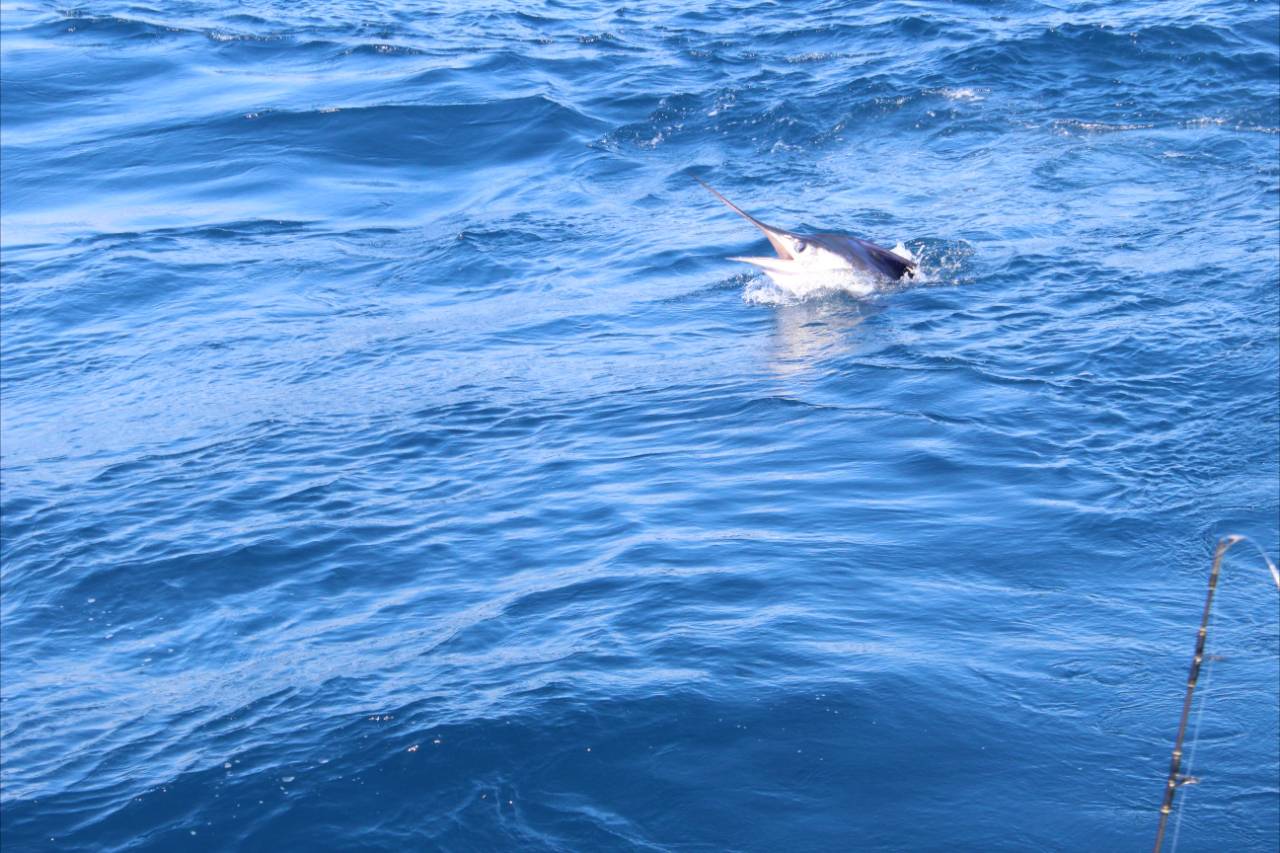
How far offshore you go fishing in Cabo in July depends on the target species, the weather, the boat, and the overall plan for the day. In general, offshore trips can range from relatively close runs to much longer runs beyond the visible coastline, especially if the crew is chasing marlin, tuna, or other summer game fish. The short answer is that July gives anglers real offshore opportunity, and the distance depends on whether the bite is closer in or farther out.
The most important thing to understand is that Cabo San Lucas is a flexible offshore destination. Some days the best action may be within a moderate run from shore, while other days the captain may need to go farther to reach productive water. A skilled charter will not guess randomly; it will work according to the seasonal pattern, the water conditions, and the fish that are active that morning. That is why offshore fishing in July can feel so different from one day to the next.
The distance offshore matters because it affects comfort, time on the water, fuel use, and the type of fish you are most likely to target. A shorter run may be best for inshore-style action or mixed fishing, while a longer offshore run is often better for marlin and tuna. In Cabo, the July season usually supports both, which makes the decision less about a fixed distance and more about the kind of trip you want.
Why Cabo fishing in July can require different offshore distances
Cabo fishing in July can require different offshore distances because the summer pattern is dynamic. Warm water, bait movement, current breaks, and predator activity all influence where the fish are holding. If the bite is close, the boat may not need to travel far. If the fish are spread out or moving with offshore structure, the captain may need to go farther to find the right zone. This flexibility is one of the reasons Cabo is so popular in the summer season. The same area can support short runs for nearshore or mixed action and longer offshore runs for serious billfish or tuna. A good charter reads those conditions and adjusts the distance accordingly. That way, the day is built around the fish rather than around a fixed mileage plan.
The actual offshore distance is also influenced by the target species. If you are chasing marlin, the crew may be willing to run farther to reach the most productive water. If you want tuna, the best water may be somewhat closer or may shift depending on bait and current. In July, the fishery often supports enough activity to make both options realistic. That is part of what gives Cabo its reputation for versatile summer fishing.
Weather and sea state also play a big role. Calm water makes longer offshore runs more practical and comfortable, while wind or chop can shorten the effective range of the trip. A professional charter considers this before leaving the dock. In July, that kind of judgment matters because the offshore environment can change quickly, and the best distance is often the one that matches the day’s conditions.
How far offshore Cabo charters go for marlin in July
When anglers book a charter in Cabo during July specifically for marlin, the boat may go a meaningful distance offshore if that is where the captain expects the best bite. Marlin are not usually a tightshore species in summer. They tend to be found in offshore lanes where bait, current, and temperature create favorable feeding conditions. That means the trip may involve a longer run than a simple inshore outing. The exact distance can vary, but the captain often chooses the route based on signs seen on the water and known summer patterns. Some marlin trips may stay within a moderate offshore range, while others may push farther if the crew believes the fish are more active there. In Cabo, that decision is guided by experience, not by guesswork. A good fishing crew knows when to keep searching and when to commit to a zone.
Marlin fishing also tends to reward persistence, which is another reason distance matters. If the fish are farther offshore, a charter has to balance run time with actual fishing time. The captain’s job is to make sure the trip remains efficient enough to be worthwhile. In July, when the summer season is active, that calculation often works in the angler’s favor.
For many anglers, the willingness to go farther offshore is part of the attraction. They are not looking for the shortest trip; they are looking for the right one. In Cabo, marlin trips in July are often about positioning the boat in the most productive water, even if that means going beyond a shorter coastal run. That is why offshore distances can be very different from one marlin charter to another.
How far offshore Cabo fishing goes for tuna in July
Tuna trips in Cabo during July can also involve different offshore distances, but the pattern is often more variable than marlin. Yellowfin tuna may show up in offshore zones that are not extremely far from shore, or they may be spread farther out depending on the bait and current. That means a tuna-focused fishing trip can range from moderate offshore runs to longer searches.
The advantage of tuna is that they can be found in a broader set of conditions. Some days the best tuna action may happen at a comfortable offshore distance, making the trip more efficient and less demanding in terms of time and fuel. Other days, the captain may need to go farther to find active fish. A skilled charter will adjust rather than forcing a one-size-fits-all approach.
In July, tuna are one of the most attractive targets because they can create strong action once located. That means the captain may be willing to push a little farther if the offshore signs suggest better opportunities. In practice, the distance is often determined by where the bait is holding and whether there are signs of feeding fish. The boat is not running for the sake of running; it is running to reach the best seasonal bite. This is one reason Cabo is such a productive summer destination. The tuna fishery is flexible enough to support different offshore distances without losing value. If the fish are close, great. If they are farther away, the trip can still make sense because summer fishing in the region is built around movement and response. That kind of adaptability is a major part of the appeal.
Why fishing distance in Cabo changes from day to day
Fishing distance in Cabo changes from day to day because the ocean is not a fixed system. Bait moves, temperature shifts, current edges change, and predator fish follow the food. That means the distance offshore is not something you can assign once and forget. Blue Sky Cabo looks at the conditions each morning and decides how far to go based on the best opportunity. The day may begin with signs that the bite is close, which can keep the trip relatively short. On another day, the captain may find that the better water is farther out and choose a longer run. In July, both situations are possible. That is why offshore fishing in Cabo is dynamic rather than predictable in a rigid sense. The fish are seasonal, but they are also mobile.
Weather has a huge influence too. If the sea is calm, a captain may be more willing to travel farther because the ride is manageable. If the water is choppy, the boat may focus on closer zones even if that means changing targets. Blue Sky Cabo balances comfort, time, and fishing value. That balance is especially important in the July season, when the offshore options are broad but conditions can still shift. Another reason the distance changes is that different anglers want different kinds of trips. Some want a long offshore search for marlin. Others want a more moderate trip with a shot at tuna or mixed action. In Cabo, the summer fishing scene allows both. The right answer to “how far offshore do you go” is often “far enough to reach the best fish for that day.”
What a Cabo charter considers before going offshore
Before a charter goes offshore in Cabo during July, the captain usually considers a few important factors. First is the target species. Marlin often justify a longer run if the best water is farther out, while tuna may give the crew more flexibility. Second is the weather. A calm morning may allow a longer trip, while rougher conditions might shorten the effective distance. Third is the fishery itself. If the summer season has recently produced fish in a certain area, that can guide the plan.
The captain also thinks about how much fishing time the trip needs to stay productive. A longer run may be worthwhile if the destination water is expected to hold active fish. But if the signs suggest a closer bite, there is no reason to waste time running farther than necessary. A good fishing crew in Cabo understands that efficiency matters. It is not about covering miles for the sake of it; it is about reaching good water as quickly and smartly as possible.
Comfort is another practical factor. Families, mixed groups, and less experienced anglers may prefer a trip that stays within a moderate offshore distance. That still allows real fishing opportunity without making the day feel too long or too demanding. In July, when the weather can be warm and the fishery active, this kind of planning helps keep the trip enjoyable. A good charter can tailor the offshore distance to the group’s goals.
This flexibility is one reason Cabo San Lucas has such a strong summer reputation. The fishery supports a wide range of offshore fishing styles, which means the captain can adapt the trip to the conditions and the people on board. That makes distance a planning decision rather than a fixed rule.
How far offshore Cabo anglers go for mixed summer trips
Mixed summer trips in Cabo during July often go a moderate offshore distance rather than a maximum run. That is because mixed trips are usually designed to keep options open. The captain wants room to search for marlin, tuna, dorado, and maybe even inshore opportunities if the day develops in that direction. A moderate offshore route supports that kind of flexibility. These trips are popular because they allow the crew to respond to the bite in real time. If the offshore water is hot, the boat can stay there. If the signs are better closer in or along a different current edge, the captain can adjust. That kind of fishing flexibility is especially useful in July, when the summer season can produce multiple species in different zones.
For anglers who are not committed to one target, this is often the smartest way to fish Cabo. You do not have to guess exactly how far offshore the best action will be. Instead, you let the captain decide based on the day. That is one of the reasons the charter model works so well here. It gives the crew room to adapt without turning the trip into a rigid mileage goal.
Mixed trips also reduce pressure. If the trip goes a bit farther offshore, that is fine. If the best action is a little closer, that works too. The boat can move toward the bite rather than toward a predetermined number. In Cabo, that flexibility is one of the biggest strengths of summer fishing.
What July weather means for offshore distance
July weather in Cabo often makes offshore trips more practical because the mornings are usually the best window. Early departures can take advantage of calmer seas and better light, both of which help the boat cover offshore distance efficiently. As the day gets warmer, the captain may decide to stay in productive water rather than pushing farther. That is a normal part of summer fishing in the region. The weather also affects how comfortable longer offshore runs feel. When conditions are smooth, going farther out is less of a concern and may actually improve the odds of reaching better fish. When the water is rough, the crew may shorten the trip or focus on closer targets. Blue Sky Cabo does not just think about fish; it thinks about the whole day, including the ride and the timing.
The summer season adds another layer because the offshore bite is often supported by warm water and active bait. That means the captain may not need to go extremely far to find life, but some days the better water is definitely offshore enough to justify the run. In Cabo, the right answer usually depends on the morning conditions and the fish the captain is trying to target.
This is why there is no single offshore distance that applies to every July trip. Instead, there is a range. Some days the right distance is moderate. Other days it is farther. The trip should match the bite, not the other way around.
How far offshore Cabo fishing is for marlin versus tuna
When comparing marlin and tuna trips in Cabo, the offshore distance can differ even in July. Marlin often justify a farther run if the captain believes the best billfish water is more distant. Tuna may be found in a broader range of offshore spots, which can sometimes make the trip shorter or at least less predictable in terms of exact distance. That is one reason tuna and marlin are often mentioned separately, even though both are strong summer targets.
Marlin trips tend to be more committed. Blue Sky Cabo may run farther if the signs point to better billfish water because marlin are such a prized target. Tuna trips can be a little more flexible since tuna may show in several different offshore zones and can sometimes be found closer to the productive lanes that the crew is already working. In Cabo, the summer season allows both strategies to work. The practical difference is that marlin often justify a “go farther if needed” attitude, while tuna may reward a more exploratory approach. The crew keeps reading the water and adjusting. That is what makes fishing in Cabo so effective in July. The offshore system gives the captain choices, and those choices determine how far out the boat goes.
Ultimately, both species can require real offshore distance, but not always the same amount. A captain who understands the day can keep the trip efficient and productive. That is the advantage of fishing with a strong local charter instead of trying to guess the best range on your own.
What anglers should expect from distance in Cabo
If you are planning a Cabo trip in July, the best thing to expect is variation. Some days the boat may go a moderate distance offshore, while other days it may need to travel farther to find the best fish. That is normal. The key is not to expect a fixed mileage number, but to expect a flexible plan that follows the bite. That is how productive fishing works in this region. You should also expect the captain to make decisions that preserve the value of the trip. If the fish are within a comfortable run, the boat may stay relatively close. If the best opportunity is farther away, the charter may push out to where the fish are concentrated. In July, that decision often depends on marlin, tuna, or mixed offshore signs, and the captain’s judgment becomes the main factor.
Anglers often ask about offshore distance because they want to know what kind of day they are signing up for. That is a smart question. The answer in Cabo is that offshore fishing can be as flexible as the season allows. You may have a moderate run, or you may have a full offshore push. Either way, the point is to reach the best available water.
This is one of the reasons Cabo is such a respected summer fishing destination. The fishery is not limited to a narrow range. It gives captains room to adapt and anglers room to choose the style of trip they want.
Practical planning advice for July offshore trips
If you are booking a Cabo charter in July, start by deciding what type of offshore trip you want. If marlin is the goal, be prepared for a potentially farther offshore run. If tuna is the goal, expect more flexibility in the route. If you want variety, a mixed trip is often the best fit because it allows the crew to follow the water rather than chase one exact distance. You should also think about time on the water. Longer runs can be worthwhile if they put you into productive fish, but they also reduce the amount of actual fishing time. A good charter balances run time and fishing time carefully. That balance matters in July, when the summer season can produce strong action but still reward smart route selection.
Bring realistic expectations and a flexible mindset. Offshore fishing in Cabo is often at its best when the captain can read the day and adjust. That means some trips will go farther than others. The important thing is not the exact mileage; it is whether the boat finds productive water and gives you a real shot at fish. That is why many anglers prefer to choose a captain they trust instead of worrying about the exact offshore distance before the trip even starts. Experience matters more than guessing. In Cabo, a well-run summer charter is often the best guide to how far offshore the day should go.
Ending With the Real Answer
So how far offshore do you go fishing in Cabo in July? The honest answer is that it depends on the fish you want, the weather, and what the captain sees on the water. Some days the best bite is within a moderate run, while other days the boat may need to go farther offshore to reach the right zone. In Cabo San Lucas, that flexibility is exactly what makes summer fishing work so well.
If marlin are the target, expect the trip to favor a longer offshore effort when needed. If tuna are the target, the range may be broader and more adaptable. If you want the best overall experience, trust the charter to follow the seasonal pattern instead of trying to force a fixed distance. That is how anglers get the most from July in Cabo.
Fish with Blue Sky Cabo this July, you won’t regret it.
