The mid-summer shift in the waters surrounding the southern tip of the Baja Peninsula brings a dramatic transformation that affects everything from beach recreation to world-class sportfishing. Understanding what is the water temperature in Cabo during July? requires looking at a dynamic marine environment where two massive bodies of water collide, creating a specialized thermal playground. During this peak summer month, the ocean temperatures in the region experience a steady, significant upward trajectory. Anglers, swimmers, and divers will find that the ocean transitions from the refreshing, crisp currents of late spring into a remarkably warm, welcoming environment that mimics a heated pool. This thermal shift is not uniform across the entire coast; rather, it is a complex interplay between the deep, cooler Pacific Ocean on the west and the sheltered, sun-baked basin of the Sea of Cortez to the east. For anyone planning an offshore adventure or a relaxing coastal getaway, this specific window of the year offers some of the most fascinating marine conditions imaginable, laying the groundwork for epic encounters with migratory pelagic species that thrive exclusively in these heated currents.
Discovering What the July Water Temperature is in Cabo
Analyzing the complex marine environment at the edge of the peninsula reveals that Cabo water July temperatures generally range from an inviting 73°F in the opening days of the month to a balmy 84°F by the time August approaches. This substantial progression is driven by intense tropical sunlight and the shift of regional wind patterns, which halt the deep-water upwellings that keep the ocean cool during the spring months. When you explore the waters during this specific timeframe, you are witnessing the ocean at its most active biological phase. The average sea surface reading across the entire month settles at a highly comfortable 79°F to 81°F, eliminating any need for heavy neoprene wetsuits for swimming, snorkeling, or diving. Instead, visitors can plunge into the ocean wearing simple rash guards, which are highly recommended more for protection against the intense mid-summer sun than for thermal insulation against the elements.
To truly comprehend why the water temperature fluctuates across different coastlines in the area, one must appreciate the geographical phenomenon known as Land’s End. This iconic rocky promontory serves as the literal boundary marker where two entirely different marine ecosystems collide. To help visualize how these distinct bodies of water compare during the mid-summer stretch, the following breakdown illustrates the sharp differences in thermal profiles, clarity, and targeted gamefish behavior:
| Marine Zone | Average July Temp Range | Water Clarity / Visibility | Primary Pelagic Target Species |
| Sea of Cortez Side | 80°F – 84°F | Exceptional (up to 80+ feet) | Dorado, Yellowfin Tuna, Blue Marlin |
| Pacific Ocean Side | 73°F – 78°F | Variable (Nutrient-rich) | Striped Marlin, Wahoo, Sharks |
| The Convergence Zone | 77°F – 81°F | Dynamic Dynamic Breaks | Mixed Billfish, Large Yellowfin |
This dramatic variance means that on any given day, an offshore fishing vessel can depart the marina, round the cape, and experience a massive temperature drop of up to eight degrees within a matter of miles. This thermal boundary line, frequently referred to as a temperature break, acts as a structural wall in the open ocean. Microscopic plankton thrives along these boundaries, attracting massive schools of baitfish like mackerel, caballitos, and sardines. Inevitably, the apex predators follow, making these thermal convergence zones the primary target for professional captains who understand how to read marine charts and interpret real-time sea surface satellite data.
How July Ocean Temperature Changes the Game for Fishing in Cabo
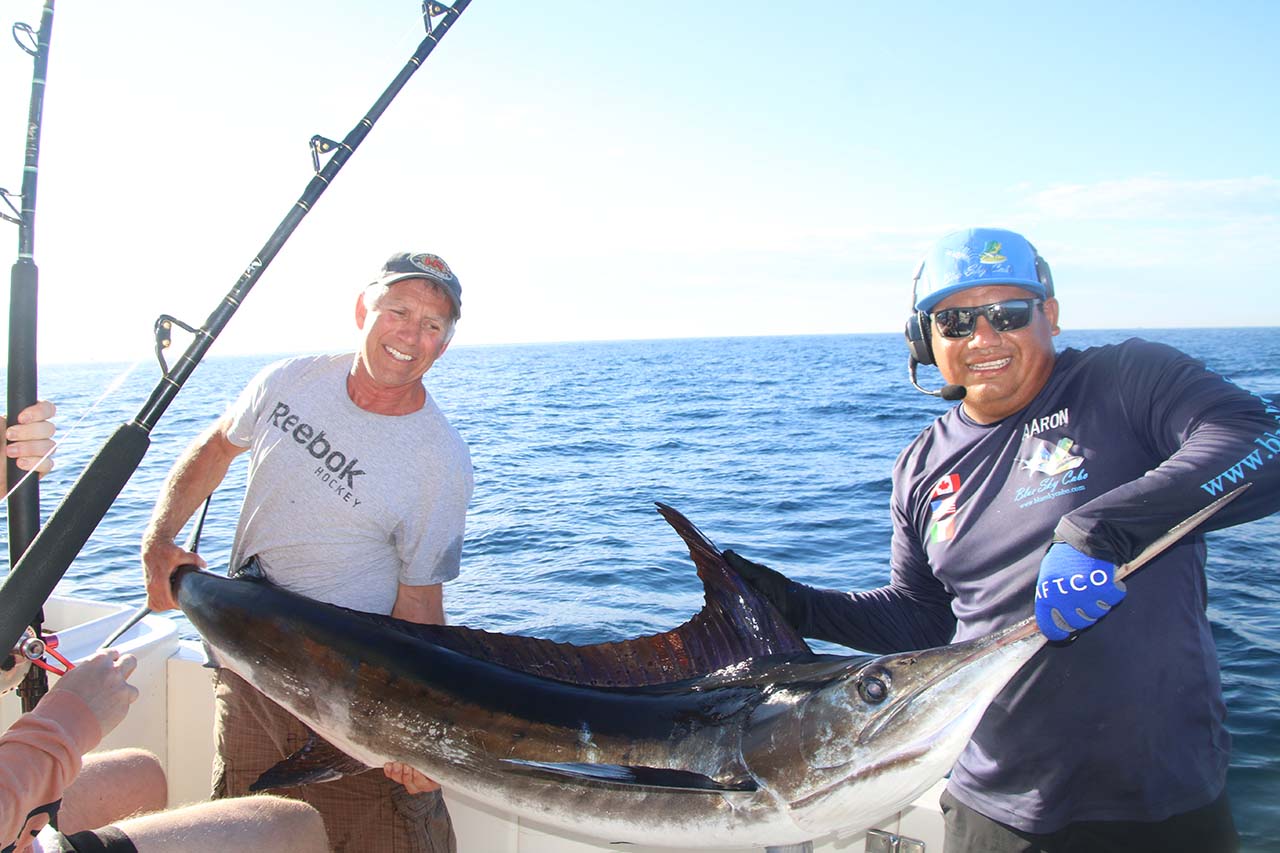
For passionate sportspeople, planning an excursion during July fishing in Cabo means positioning oneself at the starting line of the high-stakes big game season. As the water column breaks through the 80°F barrier, it sends a clear signal to the heavyweights of the billfish world that the feeding grounds are primed. The smaller, highly acrobatic striped marlin, which prefer cooler currents, begin to share the stage with the true titans of the deep blue: the blue marlin and black marlin. These massive predators migrate up from Central American waters, trailing the warm tropical currents that push northward like an underwater conveyor belt of energy. A massive blue marlin requires immense amounts of fuel to sustain its high-speed hunting style, and the sudden influx of warm water brings exactly what they seek – thousands of schooling yellowfin tuna and skipjack.
Navigating this fishery successfully requires a level of maritime sophistication that only a seasoned crew can provide. This is where partnering with an elite operation like Blue Sky Cabo Fishing and Tours becomes an invaluable asset for an angler looking to turn a standard vacation into a historic journey. The veteran captains helming these custom vessels do not rely on guesswork; they possess a deep, multi-generational understanding of how these summer current shifts interact with underwater seamounts. When the surface water warms rapidly, baitfish may plunge deeper during the brightest hours of the day to find oxygen-rich pockets. An elite charter operation utilizes highly advanced, multi-frequency sonar systems to track these deep bait balls, adjusting their trolling weights and lure depths to ensure the presentation passes directly through the strike zone, adapting their tactics seamlessly as conditions evolve from dawn to dusk.
Furthermore, the warm mid-summer water completely changes the behavior of how pelagic species interact with artificial spreads. In the cooler spring months, fish can be sluggish, requiring slow, deliberate live-bait presentations. In July, the high water temperature supercharges the metabolism of gamefish, turning them into hyper-aggressive hunters. When a blue marlin detects the vibration of a heavy, dark-colored polymer lure tearing through the wake at nine knots, it attacks with astonishing velocity. The resulting strike is a spectacular explosion of whitewater, followed by a sustained, high-speed run that tests the drag systems of heavy-duty gold reels to their absolute limits. It is a style of fishing that requires absolute professionalism from the crew, who must expertly maneuver the vessel in reverse to chase down the fish before the line is completely stripped from the spool.
An Anglers Guide to What Water Temperatures Exist in July Across Cabo
Mastering the nuances of the Cabo San Lucas temperature of water during the mid-summer months allows elite sportspeople to fine-tune their target strategies with surgical precision. While amateur vacationers often view the ocean as a uniform body of water, experienced mariners treat it as a shifting jigsaw puzzle of cold walls, warm pools, and localized downwellings. In July, one of the most critical elements to monitor is the location of the seasonal thermocline – the distinct underwater layer where the warm, sun-heated surface water rapidly transitions into the much colder deep ocean water below. This boundary layer is crucial because it effectively dictates the living space of target gamefish. Deep-sea fishing targets like yellowfin tuna will frequently use the thermocline as a tactical hunting tool, resting in the cooler depths before launching lightning-fast vertical raids up into the warm surface layers to scatter schools of flying fish and squid.
When targeting trophy pelagics during this warm-water influx, professional crews utilize distinct methods tailored to the specific temperature preferences of each species:
1. Analyze Sea Surface Satellite Data: Pre-Departure Analysis.
Before the vessel ever leaves the slip, the captain reviews high-resolution thermal imaging charts to locate distinct temperature breaks where warm Sea of Cortez water interfaces with cooler Pacific currents, plotting a precise course toward these biological corridors for summer fishing runs.
2. Deploy a High-Speed Trolling Spread: First Light Exploration.
As the boat reaches the target coordinates near Cabo, the crew deploys a varied spread of large, active lures. In the warm 80°F surface water, vibrant color combinations like purple-and-black or “bleeding mackerel” are positioned far back in the clean wake to grab the attention of aggressive, fast-moving blue marlin and wahoo.
3. Monitor Avian and Mammalian Activity: Mid-Day Tracking.
Crews constantly scan the horizon with high-powered marine binoculars to locate pods of spinner dolphins or diving frigatebirds. In July, these animals almost always indicate that large schools of yellowfin tuna are driving bait up from the thermocline into the warm surface zone.
4. Pivot to Live Bait Pitching: Targeting Sighted Fish.
When a marlin is spotted finning on the glass-calm summer surface or tailing in the swells, the crew immediately reels in the artificial lures. A designated mate prepares a live, energetic caballito on a circle hook, pitching it directly into the predator’s line of sight for an instant, visual connection.
The Metabolism Factor: Every ten-degree increase in water temperature nearly doubles the metabolic rate of pelagic predators. This biological reality explains why July fish strike with such unbridled ferocity compared to winter catches – they are hardwired to consume massive quantities of calories daily to sustain their energy levels in the warm water.
This systematic approach ensures that no fuel or time is wasted trolling through unproductive, stagnant pockets of water. By understanding the thermal preferences of your target catch, a fishing trip shifts from a game of chance into a calculated execution of marine biology and advanced seamanship.
Predicting the True July Cabo Water Temperatures for Coastal Success
While the pursuit of heavy billfish captures most of the global headlines, experiencing July in Cabo fishing opens up an incredible parallel universe of fast-paced, high-yield action on light tackle for species that thrive in the warmer coastal currents. Foremost among these summer arrivals is the brilliant dorado, also known across the globe as mahi-mahi or dolphinfish. These remarkably beautiful creatures, shimmering in iridescent shades of neon green, gold, and deep blue, flock to the cape in massive numbers during July. Dorado are among the fastest-growing fish in the sea, possessing an insatiable appetite that compels them to strike almost any well-presented bait. Because they are highly visual hunters that congregate around floating structure, locating a single drifting kelp paddy or a piece of open-ocean debris can lead to an unforgettable session of non-stop hookups, with fish leaping repeatedly out of the water in spectacular, acrobatic displays.
For families and groups enjoying a summer fishing vacation, the abundance of dorado and schooling yellowfin tuna makes July an absolute dream. The seas on the Sea of Cortez side of the peninsula are typically calm and glass-like during this stretch, providing a highly stable and comfortable platform that minimizes any risk of motion sickness for younger or less-experienced guests. A typical summer morning might involve trolling close to the dramatic rocky shoreline, where the warm water pushes against underwater drop-offs, providing immediate action on medium-sized gamefish. This style of angling is perfectly suited for light spinning gear, allowing guests to feel the raw, unadulterated power of these fish without being restricted to a heavy offshore fishing chair.
The culinary reward of a mid-summer excursion is another undeniable highlight of the experience. After a successful morning on the water, premium charters provide expert filleting services right at the dock, transforming your freshly caught dorado or yellowfin tuna into pristine, ice-chilled portions. The vibrant marina district is lined with exceptional waterfront restaurants that specialize in a traditional “you catch it, we cook it” service. Guests can relax with a cold beverage while local chefs masterfully prepare their fresh catch in multiple styles – ranging from delicate, thinly sliced sashimi with citrus ponzu to authentic Baja-style blackened fish tacos. This seamless transition from the deep sapphire sea to a world-class dining table provides the ultimate sensory conclusion to an authentic day of adventure in the tropical warmth of the southern cape.
Evaluating What Your Fishing Crew Needs When Cabo Water Heats Up in July
Selecting an elite Cabo fishing charter during the height of the summer requires evaluating how an outfit manages both the peak biological opportunities and the distinct environmental demands of the season. Operating a vessel in the warm tropical climate of July is vastly different than running trips during the cool winter months. A premium charter operation stands out by maintaining an uncompromising focus on vessel maintenance, top-tier equipment reliability, and guest comfort. The intense summer heat means that engine cooling systems, on-board air conditioning units, and specialized live-well aeration systems must function flawlessly under heavy demand. When you step aboard a luxury sportfishing vessel managed by an elite team, you should feel an immediate sense of security, knowing that every mechanical and safety system has been meticulously prepped for the unique challenges of the tropical season.
To ensure your mid-summer ocean adventure is executed with absolute comfort and maximum efficiency, consider the following critical operational components when booking your vessel:
- Advanced Live-Well Management: High water temperatures hold significantly less dissolved oxygen than cold water. Elite charters utilize specialized, high-capacity water pumps and oxygen injectors within their bait tanks to keep delicate live bait like mackerel and sardines strong, active, and highly appealing to large predators throughout the full duration of the day.
- Climate-Controlled Subsystems: Spending eight hours under the intense summer sun can be physically draining. Ensure your chosen vessel features a spacious, fully air-conditioned main salon where guests can easily step out of the heat, rehydrate in cool comfort, and recharge between intense fish battles.
- Pristine Drag and Line Maintenance: Warm water supercharges the initial runs of trophy billfish and yellowfin tuna. Premium outfits completely strip and replace their monofilament and braided lines before the summer season begins, while meticulously servicing the carbon-fiber drag washers inside their reels to prevent line breakage during high-speed, friction-heavy runs.
- Comprehensive Hydration and Catering: A professional crew understands that proper hydration is paramount during a tropical excursion. Top-tier bookings include expansive inventories of chilled electrolyte drinks, purified water, and custom-prepared light meals designed to sustain energy levels without causing fatigue in the warm climate.
This level of preparation is the hallmark of Blue Sky Cabo Fishing and Tours, where the customer experience is treated with the exact same level of precision as their tournament-winning angling strategies. The goal is always to provide a seamless, stress-free environment where guests can focus entirely on the thrill of the chase. Whether you are tracking a massive black marlin across the offshore banks or watching a pod of leaping porpoises guide the boat toward a school of surfacing tuna, having a dedicated, professional crew handling the complex logistics ensures that your time on the water is safe, luxurious, and undeniably productive.
Deep Water Tactics to Perfect When the July Temperature Climbs Across Cabo Fishing Grounds
As the summer sun reaches its zenith, deep sea fishing Cabo style transforms into an exercise of pure endurance and tactical versatility. For the true sportfishing purist, the warm blue water of July represents the ultimate canvas, offering a rare opportunity to deploy advanced techniques that are ineffective during other parts of the calendar year. One such method that gains immense traction during the warm-water peak is the deployment of specialized artificial teasers and kite fishing rigs. Because pelagic species are highly aggressive and visually focused in the warm surface layers, creating a massive amount of surface disturbance is key to drawing monster fish up from the depths. A professional crew will often run a sequence of hookless “bowling pin” teasers or high-visibility mud flap lines directly in the prop wash, creating a chaotic visual spectacle that mimics a panicked school of baitfish flying across the surface.
Kite fishing, in particular, represents the absolute pinnacle of mid-summer surface presentation. By flying a specialized marine kite from the flybridge, the crew can suspend a live baitfish so that it hovers directly at the surface film, with the hook and leader completely lifted out of the water. As the baitfish struggles frantically against the surface, it sends out intense low-frequency vibrations that can attract a hungry blue marlin or a massive yellowfin tuna from hundreds of yards away. Because there is no visible line or steel leader in the water, even the oldest, most cautious trophy fish will strike with absolute abandon. Watching a hundred-pound tuna launch its entire body clear out of the ocean as it descends upon a kite bait is a heart-stopping visual that perfectly encapsulates the raw power of summer angling at the cape.
Ultimately, an exceptional summer voyage is defined by a deep respect for the incredible marine sanctuary that makes these encounters possible. The elite charter community takes immense pride in pioneering advanced conservation practices, ensuring that this world-class fishery remains vibrant and healthy for generations to come. This ethos is heavily centered around a strict catch-and-release philosophy for all non-edible billfish species. Crews utilize specialized non-offset circle hooks, which are designed to catch cleanly in the corner of the fish’s jaw rather than being swallowed internally, allowing for a swift and safe release alongside the hull. By combining cutting-edge angling technology with a profound commitment to marine stewardship, a journey into the warm, life-filled waters of July becomes more than just a simple vacation sport – it stands as a deeply rewarding connection to the grandest rhythms of the open ocean.
