If you’re trying to understand the full picture of Cabo fishing timeline patterns, you’re stepping into the most strategic way to plan a fishing trip in Cabo San Lucas. This is not just about what fish are available it’s about when conditions align, how the ocean evolves, and how each phase of the year builds into the next. The Cabo fishing timeline is not a fixed calendar. It’s a sequence of transitions driven by water temperature, current direction, bait movement, and seasonal shifts. When you understand that timeline, you’re no longer reacting—you’re anticipating.
Every month in Cabo has purpose. Some months are structured, some are explosive, and others are transitional. The key is knowing where you are within that timeline.
How the Cabo Fishing Timeline Develops Through Seasonal Ocean Movement
The foundation of the Cabo fishing timeline begins with movement specifically, how the Pacific Ocean and the Sea of Cortez interact.
Cabo sits at a natural intersection of these two bodies of water, creating:
- Constant temperature variation
- Changing current lines
- Bait migration routes
- Evolving offshore conditions
As these forces shift, the fish follow. That’s why the Cabo fishing timeline is always progressing it never stands still. Some periods feel predictable and controlled, while others feel dynamic and reactive. Both are valuable, but they require different approaches.
Why Temperature Shifts Define the Cabo Fishing Timeline More Than Calendar Dates
The most important factor in the Cabo fishing timeline is not the month it’s the water temperature.
Different ranges bring different opportunities:
- Cooler water → striped marlin dominate
- Mid-range water → mixed species appear
- Warm water → tuna, dorado, and blue marlin thrive
These temperature bands move gradually throughout the year. As they shift, the entire fishing environment changes with them. This is why experienced crews focus on conditions first and dates second.
What the Early Year Cabo Fishing Timeline Feels Like in Cooler Water Conditions
At the beginning of the year, the Cabo fishing timeline enters a structured phase.
From January through March:
- Cooler water settles in
- Striped marlin become the primary target
- Offshore banks produce consistent results
Fishing during this period feels methodical. The plan is clear, and execution is precise. There is less variety, but what you gain is reliability. The ocean feels organized, and the fishing reflects that.
How the Mid-Year Cabo Fishing Timeline Begins to Transition and Open Opportunities
As spring develops, the Cabo fishing timeline begins to shift.
From April through June:
- Water temperatures start to rise
- Marlin remain active
- Tuna begin appearing offshore
- Dorado follow warming currents
This creates a more flexible environment. Crews begin adjusting throughout the day instead of following a single plan. The ocean during this time feels like it’s in motion constantly changing and full of potential.
When Warm Water Peaks, the Cabo Fishing Timeline Becomes Fast and Aggressive
By summer, the Cabo fishing timeline reaches its most energetic phase.
From July through September:
- Warm water dominates offshore
- Tuna schools become widespread
- Dorado gather around floating debris
- Blue marlin appear more frequently
Fishing during this period is fast-paced and reactive. Opportunities can develop quickly, and multiple species can be encountered in a single outing. This is when the ocean feels alive in every direction.
Why Late-Year Cabo Fishing Timeline Phases Bring Balance and Variety Together
Fall represents the most balanced phase of the Cabo fishing timeline.
During October and November:
- Water remains warm
- Multiple species overlap
- Larger fish become more common
This creates flexibility. You are not locked into one approach you can adapt based on what the ocean presents. Everything feels connected during this time. Conditions, species, and strategy all align.
How the Cabo Fishing Timeline Cycles Back Toward Cooler Water Patterns
As December arrives, the Cabo fishing timeline begins to reset.
- Water temperatures drop
- Warm-water species begin to move out
- Striped marlin return to dominance
This transition is gradual. The energy of summer fades, and the structure of winter returns. The timeline completes its cycle and prepares to begin again.
How Species Movement Creates Flow Within the Cabo Fishing Timeline
The rhythm of the Cabo fishing timeline is built on how species move through the region.
- Striped marlin dominate cooler phases
- Tuna rise as water warms
- Dorado follow current lines and bait
- Blue marlin appear at peak temperatures
These movements overlap, creating windows where multiple opportunities exist. Recognizing these overlaps is what gives anglers an advantage.
Why Offshore Locations Shift Continuously Along the Cabo Fishing Timeline
Fishing locations in Cabo are always changing because the conditions are always moving.
Throughout the Cabo fishing timeline:
- Cooler phases concentrate fish around offshore banks
- Transitional phases open mixed zones
- Warm phases allow wide offshore exploration
- Peak periods create flexibility across multiple areas
The key is not memorizing locations it’s understanding why those locations become productive.
How Fishing Techniques Must Adapt as the Cabo Fishing Timeline Progresses
Techniques evolve with the conditions.
As the Cabo fishing timeline moves forward:
- Teaser spreads dominate during marlin-focused phases
- Mixed trolling and bait strategies develop in spring
- Tuna techniques like cedar plugs and kites become effective in summer
- Flexible approaches are required during peak fall
Adaptation is what keeps results consistent.
How Blue Sky Cabo Fishing and Tours Aligns With the Cabo Fishing Timeline in Real Time
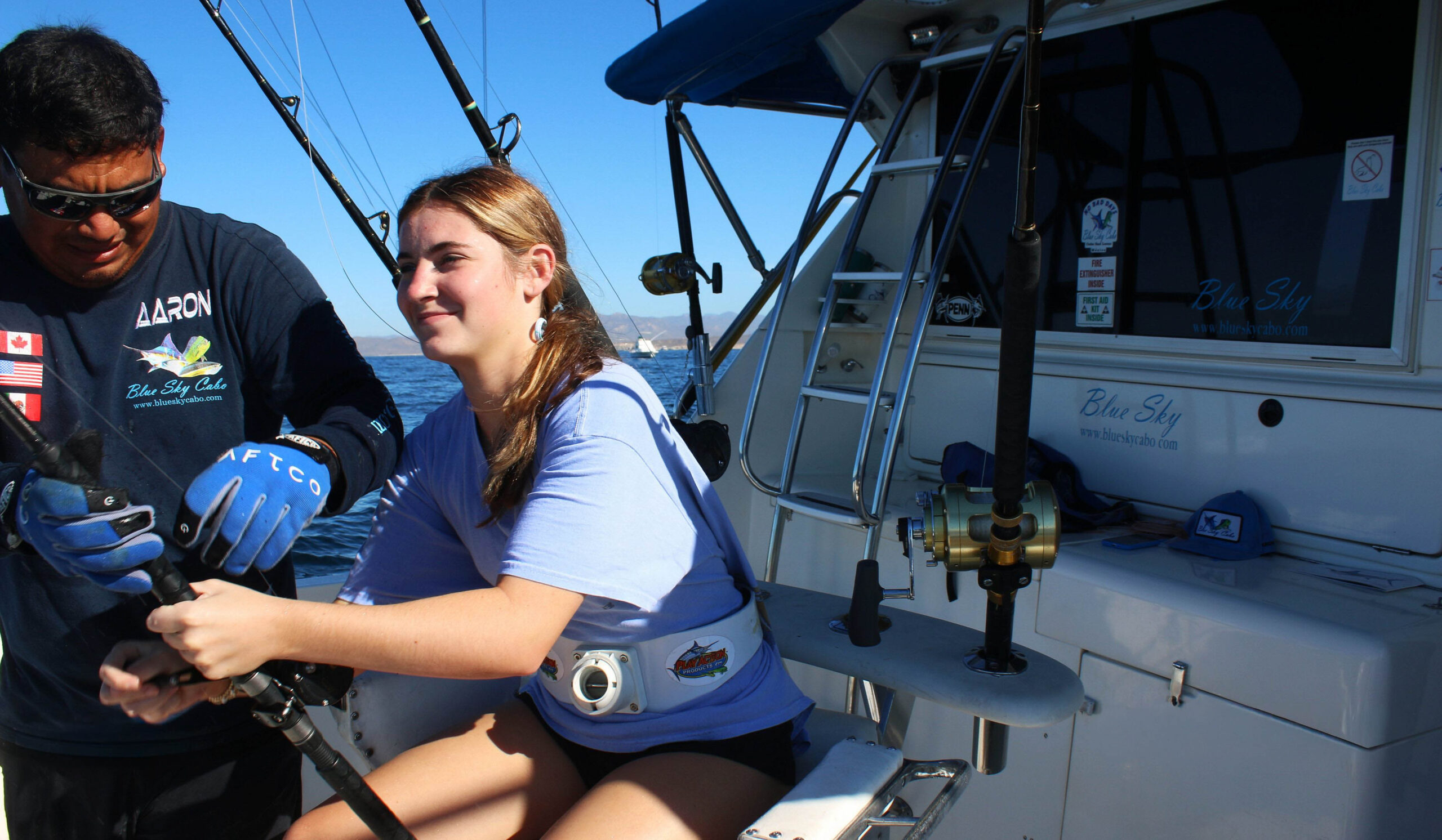
Understanding the Cabo fishing timeline is one thing executing within it is another. Blue Sky Cabo Fishing and Tours operates with a system built around real-time adaptation. Instead of relying on static patterns, they adjust continuously based on what the ocean is showing.
The Blue Sky Cabo dredge program is a central part of their strategy, creating the appearance of a bait school beneath the surface. This helps attract pelagic species across different phases of the timeline, whether targeting marlin, tuna, or dorado.
Their crews focus on reading conditions:
- Identifying temperature changes
- Tracking bird activity and bait movement
- Adjusting trolling patterns throughout the day
- Switching techniques based on what the water reveals
This approach keeps them aligned with the Cabo fishing timeline as it evolves.
The experience is designed to be complete:
- All-inclusive charters with food and drinks
- English-speaking, experienced crew
- Photography and video included
- Clean, well-maintained boats
- Complimentary float and anchor charter if no fish are caught
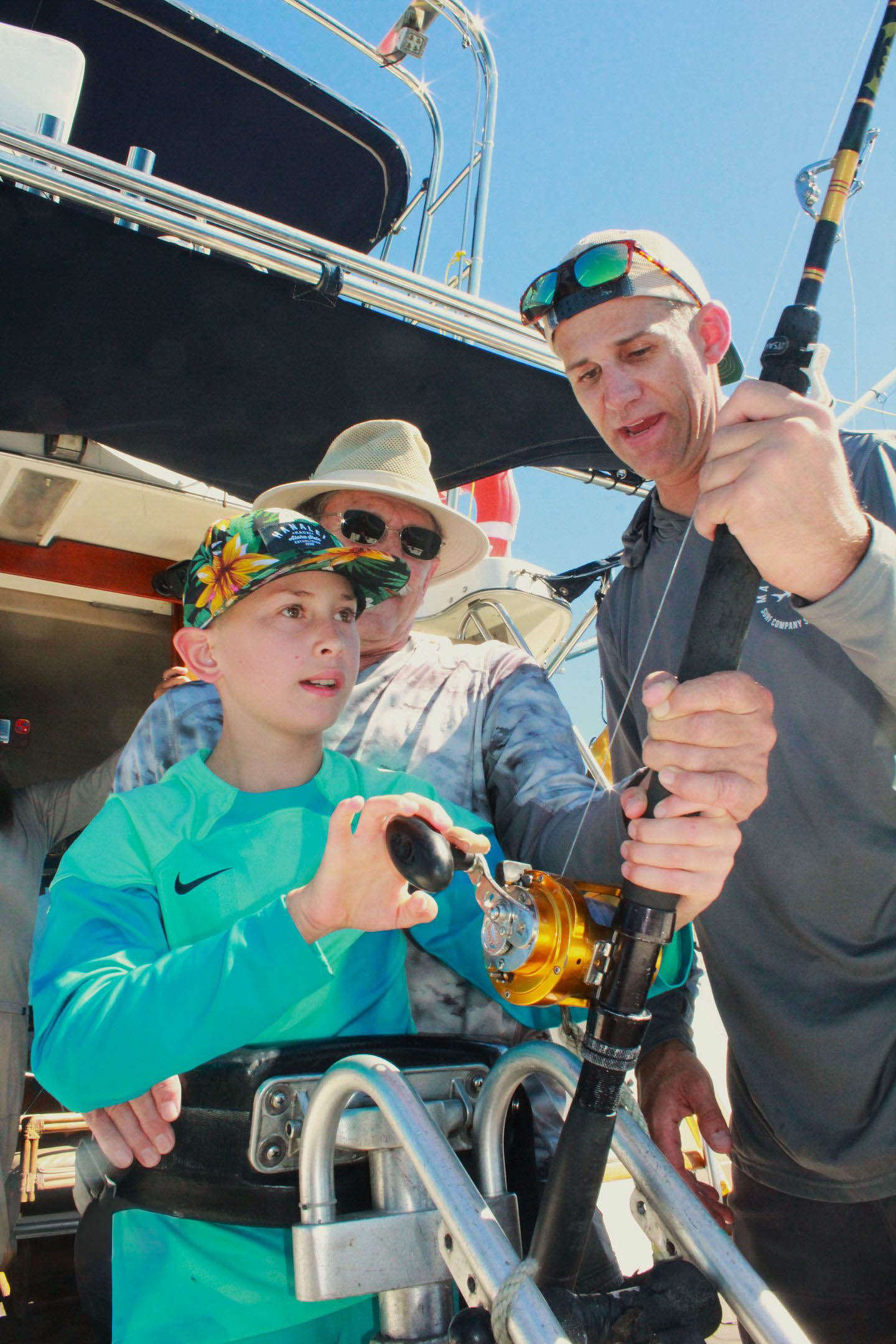
Guests often notice how engaged the crew remains, constantly working to create opportunities.
What It Feels Like to Experience the Cabo Fishing Timeline Across Different Seasons
Each phase of the Cabo fishing timeline creates a different experience.
- Early year → structured and predictable
- Mid-year → flexible and evolving
- Summer → fast and energetic
- Fall → balanced and complete
This variation is what makes Cabo unique. It is not one fishery it is a rotating system of opportunities.
How to Plan Around the Cabo Fishing Timeline for Better Results
Planning matters.
To maximize your experience:
- Choose your target species
- Align your timing with the timeline
- Book early during peak periods
- Select a crew that understands seasonal movement
This approach turns timing into an advantage.
Booking a Trip That Matches the Cabo Fishing Timeline
If you’re ready to plan your trip around the Cabo fishing timeline:
- Website: Blue Sky Cabo
- TripAdvisor Reviews: Blue Sky Cabo Fishing and Tours
- Google Reviews: Blue Sky Cabo
- Facebook Page: Blue Sky Cabo
- YouTube Channel: Blue Sky Cabo
- YouTube Shorts & Reels: Blue Sky Cabo
- Cell / WhatsApp: +1.480.635.2965
The ocean is always moving, and the fish are always responding. When you understand the Cabo fishing timeline, you stop guessing and start working with those changes. The result is a different kind of fishing trip. The decisions feel clearer, the opportunities feel stronger, and the experience becomes more connected to what is actually happening offshore. That’s what separates a trip from a strategy and why the timeline matters.
