
March in Cabo San Lucas arrives with a sense of anticipation that feels almost physical. The marina stirs before sunrise, not in a rush, but with a quiet confidence that comes from years of watching seasons turn and fish return. The desert air still carries a cool edge from the night, and the first light of morning paints the harbor in soft shades of gold and blue. Beyond the breakwater, the open sea stretches wide, layered with movement that hints at life far below the surface. This is the moment when winter’s calm begins to blend with the promise of warmer days, and anglers feel the pull of something about to unfold. That is why Cabo marlin March fishing feels less like a scheduled outing and more like stepping into a chapter the ocean has been preparing all year.
The season itself feels balanced and generous. Striped marlin continue their steady patrol of offshore lanes, dorado begin testing the warmer edges of water, and inshore species hold close to rocky points and sandy beaches that frame the coastline. The days are bright without being harsh, warm without being heavy, and long enough to let every part of the experience breathe. For newcomers and seasoned anglers alike, fishing cabo in March offers a blend of confidence and curiosity. You know the conditions are right, but the ocean still holds enough mystery to keep every moment interesting.
Why Mornings in Cabo Set the Tone for the Whole Day
There is something special about the first hour on the water. The shoreline fades into the distance, and the open sea begins to take center stage. The air feels lighter, the sounds of land disappear, and the boat glides across a surface that seems almost untouched. The sky changes color minute by minute, and the water reflects every shift like a living canvas. In these early moments, the ocean offers its first signs. A faint line of ripples might suggest bait moving just below the surface. A single bird gliding low across the water can hint at activity beyond the reach of the eye. Even the way the swell rolls under the hull can point to currents moving in different directions below. Paying attention to these details turns a simple ride into a kind of conversation with the sea.
Many anglers say this quiet beginning is what they remember most clearly. Before the rods bend and the reels sing, there is a sense of calm and possibility that sets the mood for everything that follows.
How Marlin Shape the Heart of the March Season
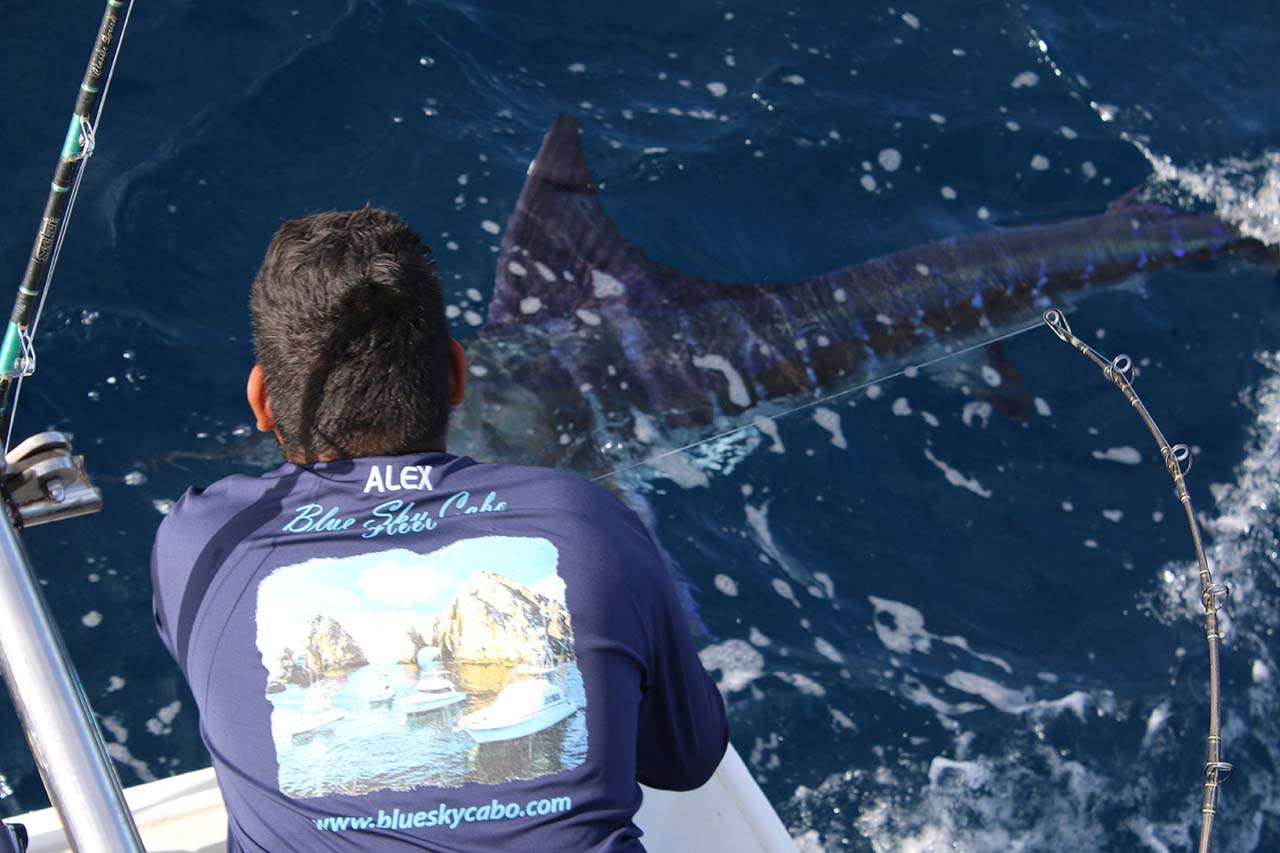
Striped marlin often become the defining presence of this time of year. They move with confidence, following bait and current lines that form invisible pathways through the open water. Their presence can be felt even before they appear, in the way birds gather or in how the surface of the sea changes texture along a temperature edge. What makes marlin fishing in March so memorable is how visual it can be. Clear water and steady conditions often allow anglers to see the fish before the strike. A shadow appears first, dark against the blue. Then the flash of the marlin’s body as it rises behind the teaser. The fish tracks the movement, closes the distance, and commits.
These moments stretch time. The seconds between noticing the marlin and feeling the rod bend can feel longer than the entire morning that came before them. When the strike finally happens, the stillness of the sea is replaced by motion and sound, and the connection between angler and fish becomes immediate and powerful. For many visitors, this image becomes what they think of when they remember Cabo fishing March.
Marlin often travel in small groups, which adds another layer of excitement. A single encounter can turn into multiple opportunities, each one building on the last. The day becomes a series of moments, each one adding another page to the story.
What Makes March Feel Like a Season of Change
March sits between two worlds. The cooler patterns of winter begin to fade, but the heat and intensity of summer have not yet arrived. This creates a rare balance, both in the water and in the way people experience it. On the sea, this balance shows up as variety. One morning might focus on marlin working along clean water edges. Midday could bring a surprise dorado around a drifting object or a subtle change in current. The afternoon might slow down, turning into a time for watching wildlife or simply enjoying the scenery. The day feels less scripted and more like a story that unfolds as you move through it.
On the boat, the mood reflects that freedom. Conversations stretch longer. Laughter comes easier. There is time to watch the horizon, to notice the way the water changes color near the hull, and to enjoy the simple act of being offshore without feeling rushed. Many anglers describe March fishing Cabo as a time when the experience itself becomes just as meaningful as the catch.
Why Fishing in March Feels Like a Journey, Not a Trip
A full day on the water during this season often feels like traveling through different moods. The morning begins in calm, with soft light and cool air that create a sense of openness and possibility. The horizon feels wide, and every direction seems full of promise. As the day progresses, the ocean becomes more animated. The sun warms the deck, birds appear in greater numbers, and the chances for action grow. Midday can bring bursts of excitement, when rods bend and the boat fills with movement and sound. By late afternoon, the light changes again. The sun lowers, casting warm tones across the water. Even if the sea has not changed, it often feels more relaxed, as if the day itself is winding down. These final hours carry a reflective quality, a time to look back on what has happened and savor the experience before turning toward the harbor.
This sense of movement, from calm to excitement and back again, is part of what makes fishing Cabo in March feel like a journey rather than a simple outing.
How Cabo’s Geography Shapes Every Fishing Day
The waters around Cabo are shaped by deep canyons, offshore banks, and shifting currents that create a complex environment beneath the surface. These features influence where bait gathers and where predators follow. In March, these patterns often become more visible. Temperature edges appear where warm and cool water meet, creating lines of activity that stretch across the surface. Current lines trace paths through the sea, guiding fish and birds alike. Floating debris can become temporary gathering points, drawing life into small, concentrated areas.
Following these signs turns the day into a kind of exploration. Instead of moving from one fixed spot to another, you move with the water itself, adjusting your course as new clues appear. This approach makes every trip feel different, even if you return to the same general area.
The Role of Fishing Techniques in Bringing the Story Together
Trolling in March becomes a subtle craft. The spread behind the boat is arranged to suggest life and movement, creating a scene that invites curiosity from below. Teasers skim across the surface, drawing attention from fish rising through the water column. Skirted baits glide just beneath the waves, mimicking the motion of fleeing prey. Deeper presentations hint at schools of bait moving in the shadows.
The goal is not just to attract a strike, but to tell a story that fish want to follow. Marlin often approach slowly, inspecting before committing. Dorado tend to rush in, drawn by the promise of an easy meal. Watching these reactions unfold becomes part of the enjoyment, turning the time between bites into something just as engaging as the action itself.
Why Bird Activity Matters Around Cabo Waters
Birds often become silent guides throughout the day. Their movements can reveal what is happening below the surface long before a fish ever shows itself. A single bird circling low might point to bait just beneath the water. A group diving repeatedly into the sea can signal active feeding. Watching how birds move and where they gather turns the sky into another layer of information, one that works in harmony with what you see on the water.
This connection between air and sea adds depth to the experience. It creates a sense that everything is linked, from the smallest baitfish to the birds above and the predators below. In March, when the ocean feels especially alive, these connections become even more noticeable.
How Marlin Encounters Create Lasting Memories
Marlin fishing is often remembered less for the numbers and more for the moments. The sight of a fish rising behind the spread. The sudden tension in the line. The sound of the reel as it comes alive. In March, these moments often feel especially vivid. The conditions allow anglers to see much of the action unfold, turning each strike into a small performance that plays out just behind the boat. The memory of that moment, the flash of color and the surge of movement, often stays with people long after they have returned home.
It is this emotional connection that keeps anglers coming back year after year, drawn by the chance to experience that feeling again.
What Makes March Ideal for Groups and Families
March is a month that seems to welcome everyone. The weather is often forgiving, the seas usually comfortable, and the variety of life on the water keeps people engaged whether they are focused on fishing or simply enjoying the ride. For families, the day often becomes about more than the catch. Watching dolphins race alongside the boat, spotting turtles near the surface, or seeing a whale rise in the distance can become just as memorable as any fish brought to the boat.
For groups of friends, the experience turns into a shared story filled with laughter, conversation, and moments of excitement that everyone remembers differently but values just the same. This social side of Cabo marlin March fishing is part of what gives the season its lasting appeal.
Why Bait Is the Foundation of Every Successful Day
Bait is the quiet engine behind everything that happens on the water. In March, schools of smaller fish move with the currents, creating the conditions that draw larger predators into the area. Watching how bait behaves can reveal a great deal. Tight, nervous schools often signal the presence of predators nearby. Birds diving or hovering low can point to activity just beneath the surface. Floating debris can become a temporary home for smaller fish, creating a chain reaction that brings larger species into the area.
Understanding this process adds another layer to the experience. It turns fishing into a study of relationships, showing how each part of the ocean relies on the next. The more you notice these connections, the more the experience becomes about learning as much as catching.
How Conservation Shapes the March Experience
Cabo’s reputation as a fishing destination is built on respect for the resource. In March, many anglers practice catch and release, especially with marlin, allowing these fish to continue their journeys and support future seasons. The act of releasing a fish can be just as powerful as the moment of the strike. It creates a sense of participation in something ongoing, a cycle that extends beyond a single day on the water.
When fish are kept, they often become part of a different kind of memory. Preparing and sharing a meal made from the day’s catch connects the experience on the water to the culture and flavors of the land, extending the story beyond the boat and into the evening.
Why Fishing Over Multiple Days Changes Everything
Spending more than one day on the water in March reveals patterns that a single trip might miss. The ocean changes from day to day, and being present through those shifts deepens your understanding of how it works. You might notice how a current line moves overnight, or how bird activity shifts from one area to another. Techniques that worked one morning might need adjustment the next. Each day builds on the last, creating a sense of progression that turns a vacation into a journey rather than a single event.
This extended time on the water often makes the sea feel more familiar. It still surprises, but it also begins to feel like a place you know, a landscape you recognize even as it continues to change.
Why the End of the Day Feels Like a Reward
As the boat turns back toward the harbor, the coastline comes into view again, and the sounds of the marina grow louder. The ocean that felt endless a few hours earlier begins to feel like something you are leaving behind, at least for now. March leaves a particular kind of memory. It is not just about the fish caught or the photos taken. It is about the feeling of being part of a season in motion, of stepping into a moment when the ocean is changing and offering its best to those who are ready to receive it.
For many, that feeling becomes a reason to return. Year after year, they come back not just for the chance of a strike, but for the experience of being on the water when winter fades and warmth begins to rise, when the sea feels alive with possibility and every day carries the promise of something new. This is the lasting story of fishing Cabo March, a story written in light, water, and the quiet thrill of not knowing what the next ripple on the horizon might bring. Book with Blue Sky Cabo today!
