
March in Cabo San Lucas has a way of making everything feel official without feeling rigid. The marina wakes up with purpose instead of noise. Crews move between boats carrying ice and tackle, checking radios and glancing at the sky like it might offer a hint about how the day will unfold. The harbor reflects early light in long silver streaks, and guests step onto the dock already thinking about the water beyond the channel. For many travelers, the fishing license feels like a technical detail they would rather skip over. But in Cabo, especially in March, it becomes part of the experience itself. It shapes what you can keep, how many fish you can take, what documentation you must carry, and how your trip is viewed by marina authorities and federal inspectors. That is why so many people search for Cabo fishing licenses March before they ever touch a rod.
March is a busy, visible month on the water. More boats run. More visitors arrive. More eyes are on the docks. This makes licensing feel less like paperwork and more like a passport. It is the document that lets you move smoothly from the marina gate to open water without interruption, confusion, or uncomfortable questions. A fishing license in Cabo is not just about permission. It is about participation. Participation in a system designed to protect the fishery, respect the ocean, and keep this place productive for generations. In March, when the season feels alive and the harbor feels crowded, that role becomes especially clear.
Why Cabo fishing licenses matter more during March travel season
March brings energy and attention to the marina. Charter fleets run at full pace. Private boats launch early. Guests line the docks with cameras, coffee cups, and wide expectations. With that activity comes oversight. Marina staff, harbor masters, and federal inspectors tend to be more visible during high-traffic months. Spot checks are more common. Documentation requests happen without warning. Questions about fish limits and retained catch come up more often. For visitors, this can feel surprising. They expect a relaxed vacation environment and instead find a professional, regulated system that takes compliance seriously. This is exactly why Cabo fishing licenses March is such a common search phrase. People want to know what is required, what is accepted, and how to avoid delays or problems.
In March, having a valid license is not just about avoiding a fine. It is about keeping the day smooth. A missing document can turn a calm morning into an awkward conversation at the dock or a tense moment offshore. A prepared guest rarely even notices the process.
How Cabo fishing licenses connect to conservation and season rules
Fishing regulations in Cabo are built around the idea of sustainability rather than restriction. The goal is not to limit fun. It is to protect the fishery. March is a month of overlap. Species move through local waters. Some are transitioning in and out. Others are showing strong activity. This mix makes management important. Bag limits, point systems, and species protections help ensure that today’s action does not become tomorrow’s shortage. A valid license signals that the angler is participating in a regulated system rather than treating the ocean as an open resource. It connects the individual experience to the larger health of the fishery.
When guests understand this, Cabo fishing licenses March becomes less about rules and more about responsibility. The license becomes part of what makes the experience feel legitimate and respectful.
The daily Cabo fishing license and March vacation planning
The daily license covers one calendar day of fishing. It is the most common choice for travelers who plan a single fishing trip during their stay. In March, many visitors are balancing fishing with beaches, resorts, and nightlife. They want one strong day on the water and then move on to other parts of their vacation. The daily license fits that style perfectly. It is important to understand what the daily license does and does not change. It does not affect bag limits. It does not change what species can be kept. It simply defines the window of time in which you are legally allowed to fish.
For guests who search Cabo fishing licenses March, this option often stands out because it feels simple. One day. One document. One experience.
Weekly Cabo fishing licenses for extended March stays
The weekly license covers seven consecutive days and appeals to travelers who plan more than one fishing trip. March is a month where conditions invite variety. Many guests decide to go offshore one day and nearshore another. Some want a release-focused trip and then a table-fish day. A weekly license allows this flexibility without repeated paperwork. Families and longer-stay visitors often prefer this option because it removes friction. Once the license is in place, the rest of the week can focus on the water instead of forms.
When people talk about Cabo fishing licenses March in travel groups and forums, the weekly option is often recommended for anyone staying more than four or five days. It simplifies everything.
Annual Cabo fishing licenses for repeat March visitors
The annual license is designed for people who return to Cabo throughout the year. Property owners, serious anglers, and seasonal travelers often choose this option. March is a month when many repeat visitors start planning their next trips. They may return in summer or fall and want to avoid thinking about licensing every time they book a charter. With an annual license, the angler carries the same documentation for every trip. It becomes part of their travel routine.
In this sense, Cabo fishing licenses March becomes more than a seasonal concern. It becomes part of a long-term relationship with the fishery.
Cabo paper licenses versus electronic licenses in March
One of the most common questions guests ask is whether a digital license on a phone is acceptable or if a printed copy is required. In most situations, electronic licenses are accepted. Inspectors are familiar with screenshots and PDFs. Presenting a phone with valid documentation is usually sufficient. However, March is busy. Phones die. Screens break. Signal disappears. A simple printed copy in a waterproof sleeve can save time and stress. Many professional charters keep physical copies on board for all guests, even when licenses were purchased digitally. This creates redundancy and makes inspections faster.
For anyone researching Cabo fishing licenses March, the safest advice is simple. Digital is convenient. Paper is dependable.
How many fish Cabo fishing licenses allow you to keep
This is where guests often get confused. A license does not mean unlimited harvest. Mexican fishing regulations use daily bag limits that apply per licensed angler. The exact number can vary based on species and current rules, but the concept is consistent. There is a cap on what can be retained in a single day. Some species are considered sport fish and are almost always released. Others are considered table fish and can be kept within limits.
In March, when anglers may encounter both billfish and edible species in the same day, understanding this distinction becomes especially important.
The Cabo point system and how March catches are counted
The point system exists to balance mixed catches. Different species are assigned point values. Instead of simply counting fish, the total is measured in points. A larger, high-value fish may count for more points than a smaller one. This system prevents someone from keeping several large fish in a single day while still allowing a variety of smaller table fish. In March, when tuna, snapper, grouper, and wahoo can all appear on the same trip, this approach helps crews guide guests toward legal and ethical decisions.
When people search Cabo fishing licenses March, this is often the part they want explained in plain language.
Which fish Cabo anglers typically keep in March
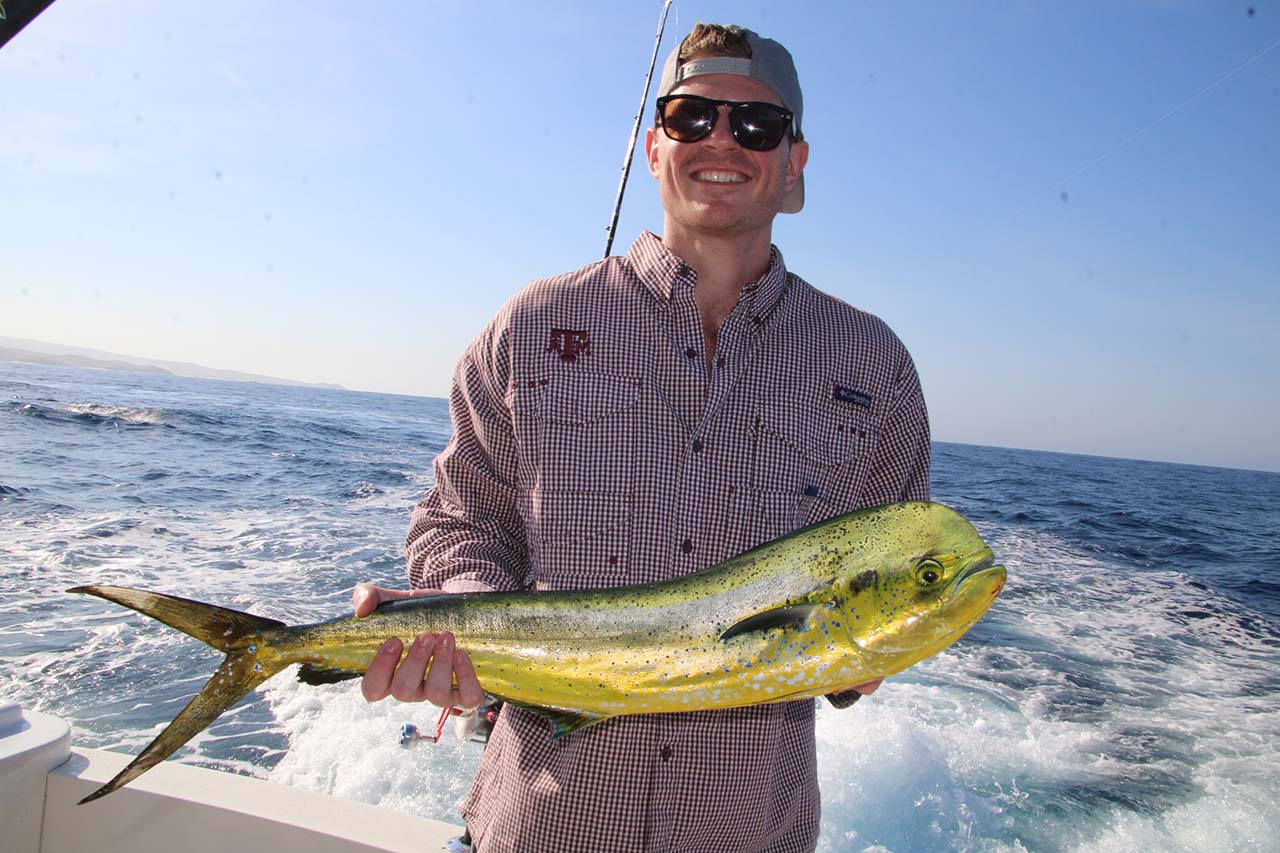
March offers a mix of sport and table species. Billfish like marlin are almost always released. They are valued for the fight, the photo, and the moment, not the fillet. Edible species such as tuna, dorado, wahoo, snapper, and grouper are commonly kept within legal limits. These fish often become part of the travel story, turning into meals at local restaurants or home kitchens.
Understanding this division helps guests make quick, confident decisions on the water and during inspections.
How Cabo charters manage fishing licenses for March guests
Many professional charter companies handle licenses as part of their service. Guests arrive at the dock and step aboard while the crew manages the paperwork behind the scenes. Names and passport details are often collected in advance, and licenses are prepared before departure. In March, when docks are busy and boats are turning over quickly, this system saves time and reduces stress. Some charters provide physical copies on board. Others maintain digital records ready to present to authorities.
For guests, this often becomes one of the most appreciated parts of a well-run operation. The day feels focused on fishing, not forms.
What Cabo marina authorities may check during March
During high-traffic months, inspections become more visible. Authorities may ask to see licenses for everyone who is fishing. They may check retained fish to confirm species and limits. In some cases, they may review vessel documentation or safety equipment. These interactions are usually quick and professional when everything is in order. When something is missing, they can slow the day down.
This is why understanding Cabo fishing licenses March before arriving can make such a difference. Prepared guests rarely notice inspections. Unprepared ones never forget them.
Why March in Cabo brings extra attention to fishing rules
March attracts a wide mix of anglers. First-timers, families, serious sport fishermen, and long-time regulars all share the water. That mix increases the chance of misunderstandings. Someone may not realize they need a license even if they are “just holding the rod.” Someone else may not know that a certain species should be released. Authorities respond by being more present and more consistent. For guests, following the rules becomes part of participating in the season rather than something imposed from outside. Keeping a fish is only the beginning. In Cabo, most charters work with licensed processors who clean, package, and freeze fish for travel. This ensures hygiene and legal compliance. In March, when many guests want to take fish home as a souvenir of their trip, this step becomes part of the experience.
Licenses, bag limits, and processing rules connect directly to how much fish you can legally transport. Understanding this chain helps guests avoid surprises at the airport or border.
What happens in Cabo if you fish without a license
The consequences can range from minor to serious. At the low end, there may be a fine. At the high end, there can be confiscation of fish, delays, or formal penalties. In March, when inspections are more common, the chance of being checked increases. This is why most professional charters insist on proper licensing before leaving the dock. It protects the guests and the operation.
How first-time anglers experience Cabo fishing licenses in March
For newcomers, the idea of a fishing license can feel intimidating. A good crew explains the basics in simple terms. Who needs a license. What can be kept. What should be released. Where the limits are. March’s comfortable pace often makes these conversations easier. The morning is calm. There is time to talk before lines go in. Guests often say this orientation makes them feel confident instead of cautious. fishing in Cabo is not just a vacation activity for many people. It becomes a ritual. People return year after year. They bring friends. They bring family. They tell stories about the one that got away and the one that went on the grill.
Licensing is part of what makes that tradition sustainable. It helps ensure that the fishery remains healthy and the experience remains available. In March, when the season feels alive and welcoming, that long-term perspective becomes easier to appreciate.
How preparation defines a smooth March fishing day in Cabo
Behind every easy, enjoyable trip is quiet preparation. Licenses are checked. Names are confirmed. Limits are reviewed. The crew makes sure everyone understands what the day will involve. Guests may never notice this work, but they feel the result. The day flows. There are no awkward pauses at the dock. No uncomfortable conversations with authorities. That smoothness often becomes part of how people remember Cabo fishing licenses March. Not as a rule they had to follow, but as a system that made the day feel professional. At the end of the day, most guests do not talk about the paperwork. They talk about the water. The birds. The moment the rod bent. The fish that swam away. The fillets that went into a cooler. But the license was there the whole time, quietly shaping what was possible.
In March, when the marina feels alive and the season feels balanced, that small piece of documentation becomes part of a much larger story. It becomes part of what makes fishing in Cabo feel both exciting and responsible.
Why understanding Cabo fishing licenses makes March trips better
Knowing the rules does not make a trip less fun. It makes it smoother. Guests who understand daily, weekly, and annual options can choose what fits their stay. Those who understand limits can enjoy the moment without second-guessing every decision. Those who know what documentation is accepted can move through the marina with confidence. That ease becomes part of the memory.
For many travelers, that is the true meaning behind Cabo fishing licenses March. Not just a requirement, but a foundation for a day that feels open, relaxed, and well run. Fish with Blue Sky Cabo today!
